

(Українська) Важливі тенденції ринку праці: поради для меблевої галузі
The World Economic Forum has published the Future of Jobs Report 2025, offering insights into the future of global employment. In this article, we explore key trends shaping the labor market, particularly in the furniture industry, and provide practical advice for entrepreneurs.
Essential Skills for 2025
Employers have identified the most critical skills for success in the labor market. Among the key ones are:
- Analytical thinking (69% of employers);
- Flexibility, resilience, and adaptability (67%);
- Leadership and social influence (61%).

Advice for the Furniture Industry:
- Invest in employee training programs focused on developing analytical thinking.
- Implement initiatives to enhance team resilience to changes in the business environment.
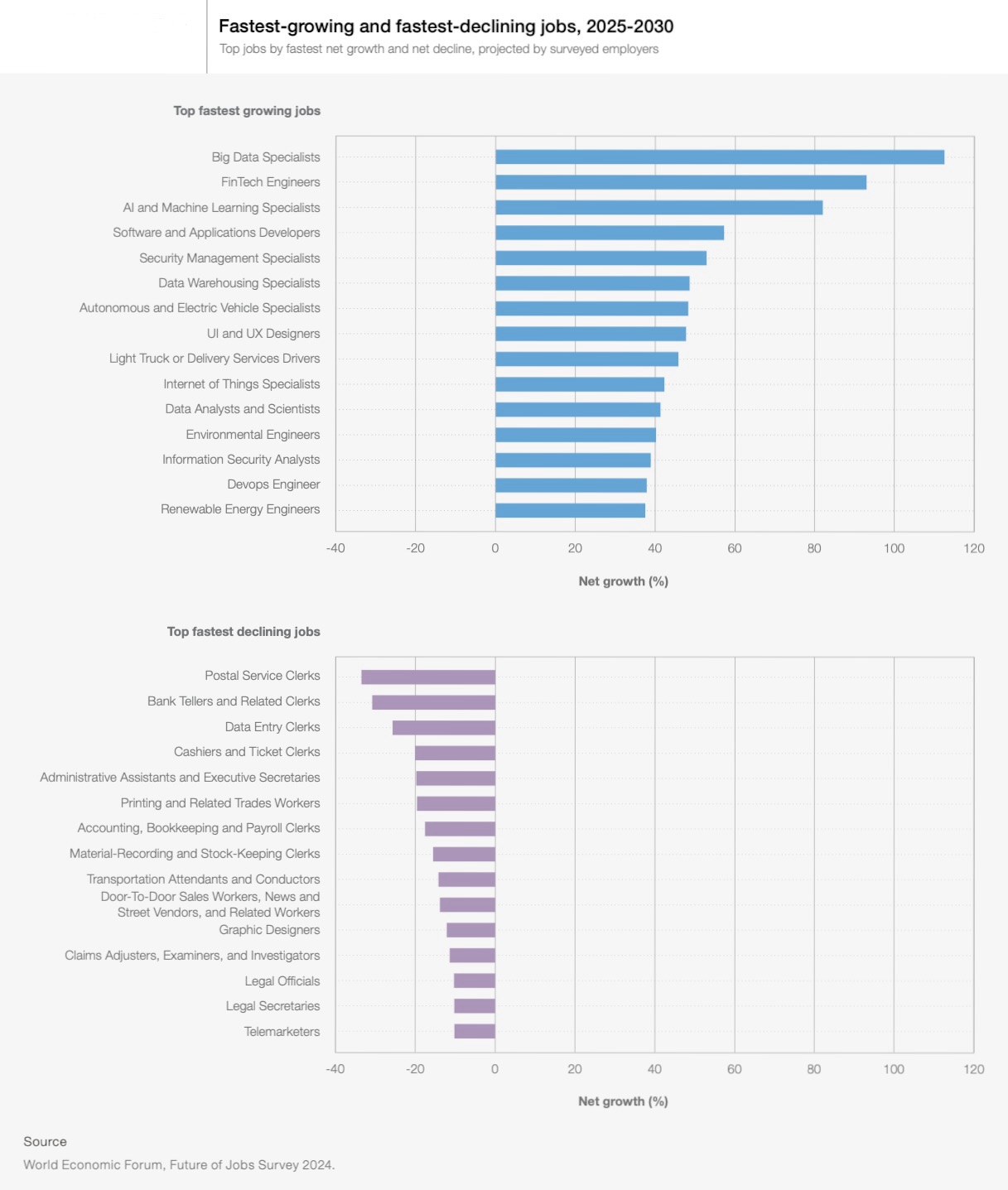
Fastest-Growing and Most Declining Professions
Fastest-growing professions include:
- Big data specialists (+120%);
- Fintech engineers (+110%);
- Software developers (+90%).
In contrast, roles related to administrative tasks are declining the most, such as:
- Bank clerks (-40%);
- Typists (-30%).
Advice for the Furniture Industry:
- Consider automating administrative processes like accounting or order processing.
- Engage data specialists to analyze customer demands and optimize production processes.
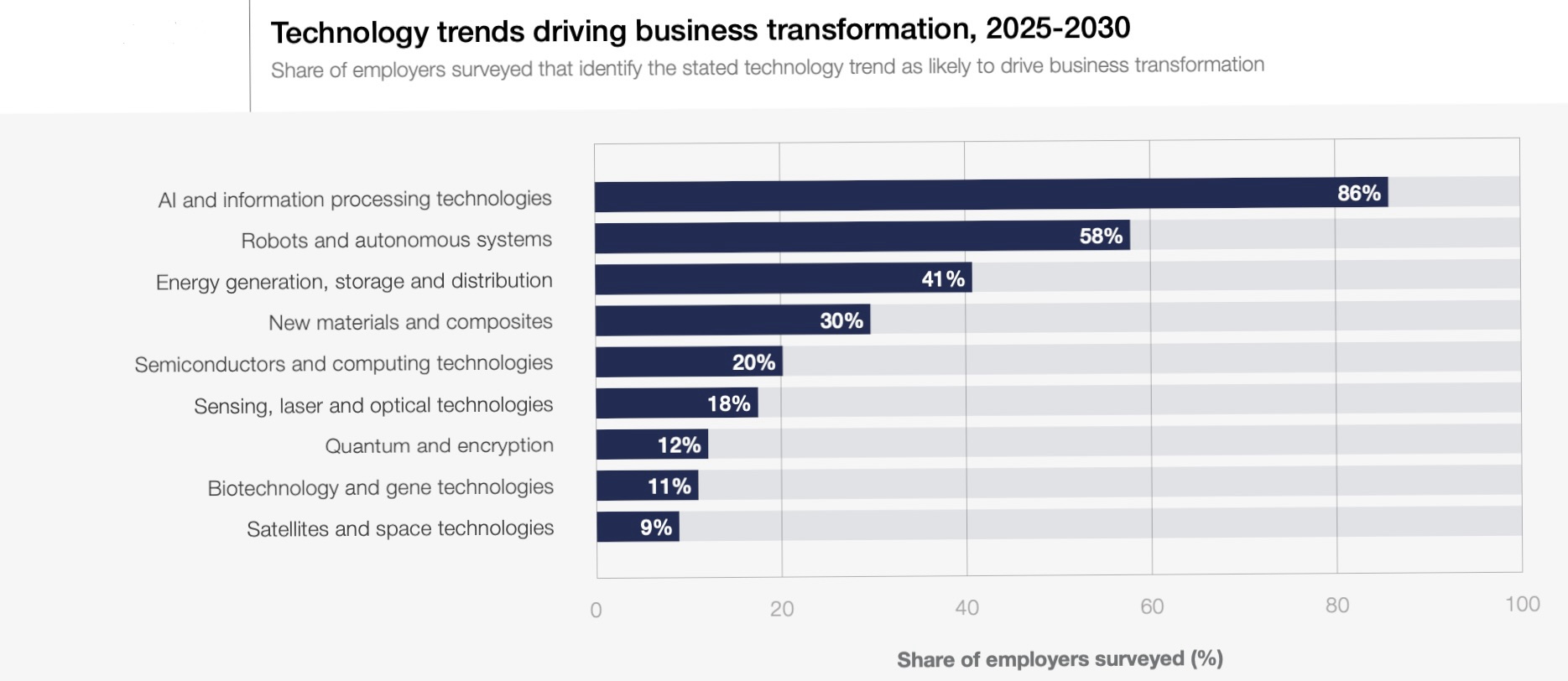
Technological Trends Transforming Business
According to 86% of employers, artificial intelligence (AI) and information technologies have the most significant impact on business. Other key technologies include:
- Robotics and autonomous systems (58%);
- Energy-saving technologies (41%).
Advice for the Furniture Industry:
- Invest in production automation using robots and AI.
- Explore energy-saving innovations to reduce production costs.
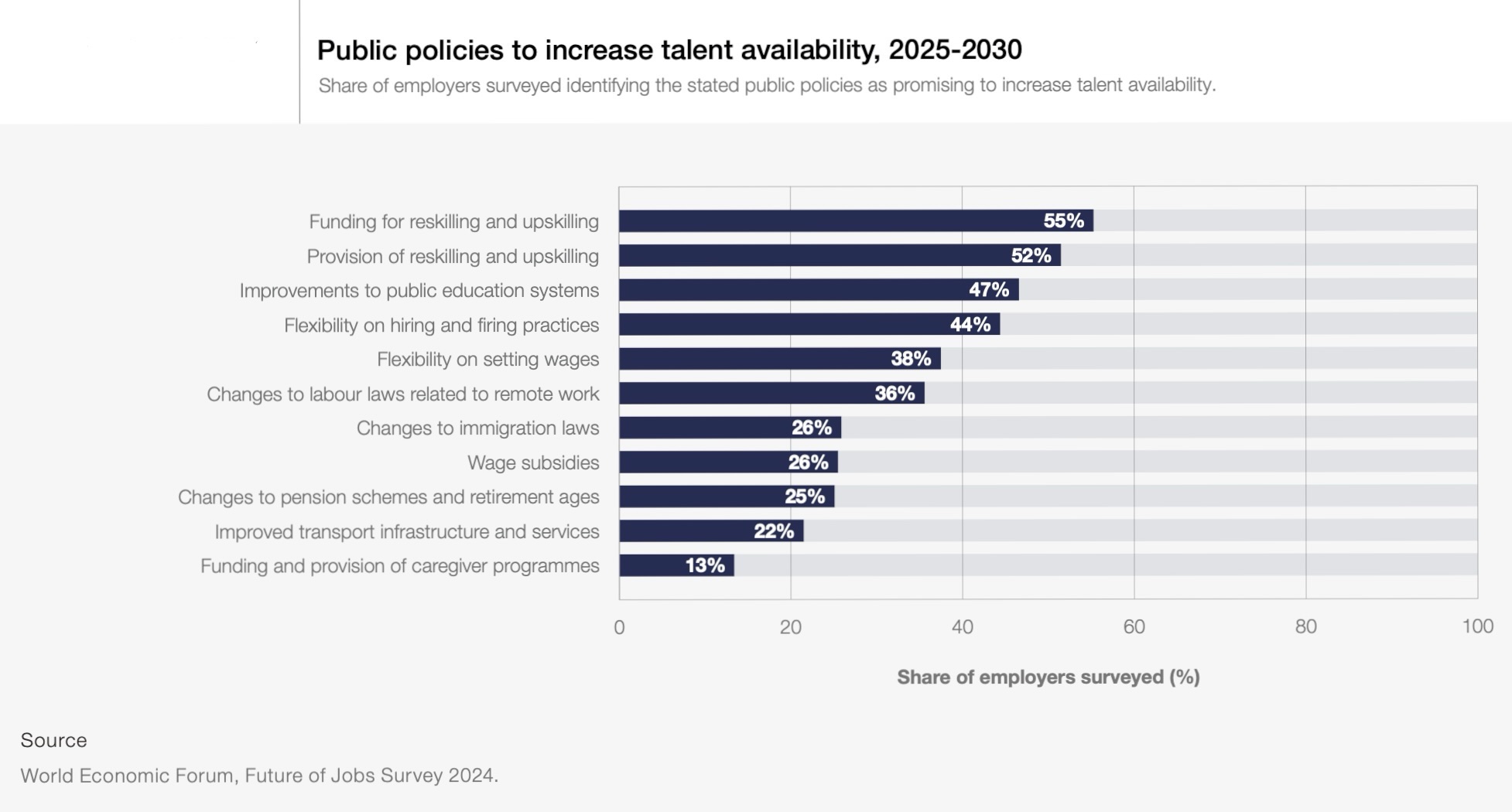
Supporting Workforce Development
To increase talent availability, companies have prioritized:
- Funding reskilling programs (55%);
- Improving public education systems (47%);
- Flexibility in hiring processes (44%).
Advice for the Furniture Industry:
- Collaborate with educational institutions to create specialized employee training programs.
- Develop internal reskilling programs to help employees adopt new technologies.
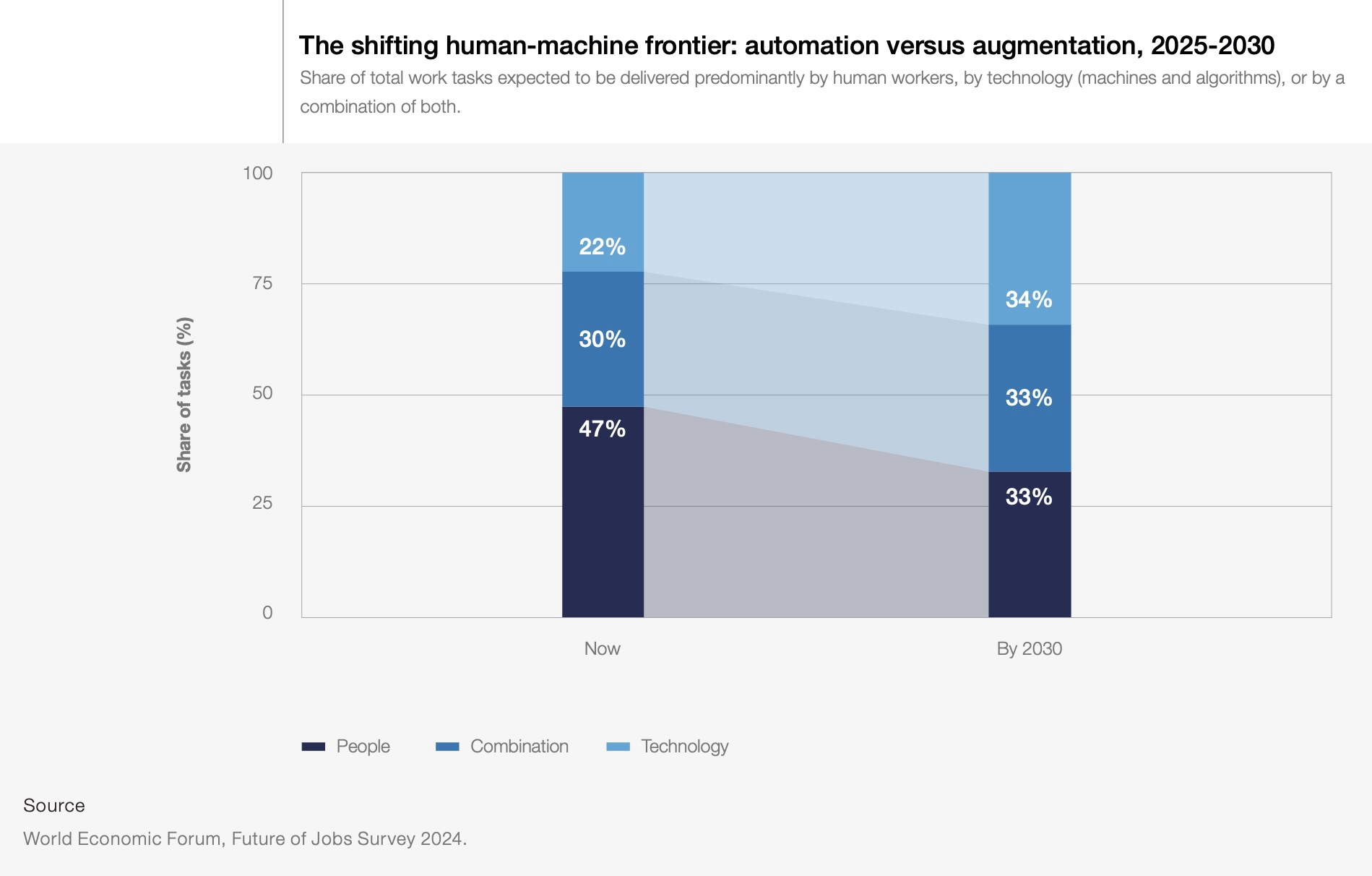
Humans and Machines: A New Work Balance
By 2030, the share of tasks performed exclusively by humans is expected to decrease from 47% to 33%, while technologies will handle 34% of tasks.
Advice for the Furniture Industry:
- Introduce tools that facilitate human-machine collaboration, such as automated furniture design systems.
- Train employees to use technological tools that enhance productivity.
Conclusion
The trends outlined in the Future of Jobs Report 2025 emphasize the importance of adapting to changes in technology and skills. For the furniture industry, this presents an opportunity to implement innovations that not only optimize production processes but also create a competitive edge in the market.
Learn more by reading the Future of Jobs Report 2025:
 Важливі тенденції ринку праці: поради для меблевої галузі)