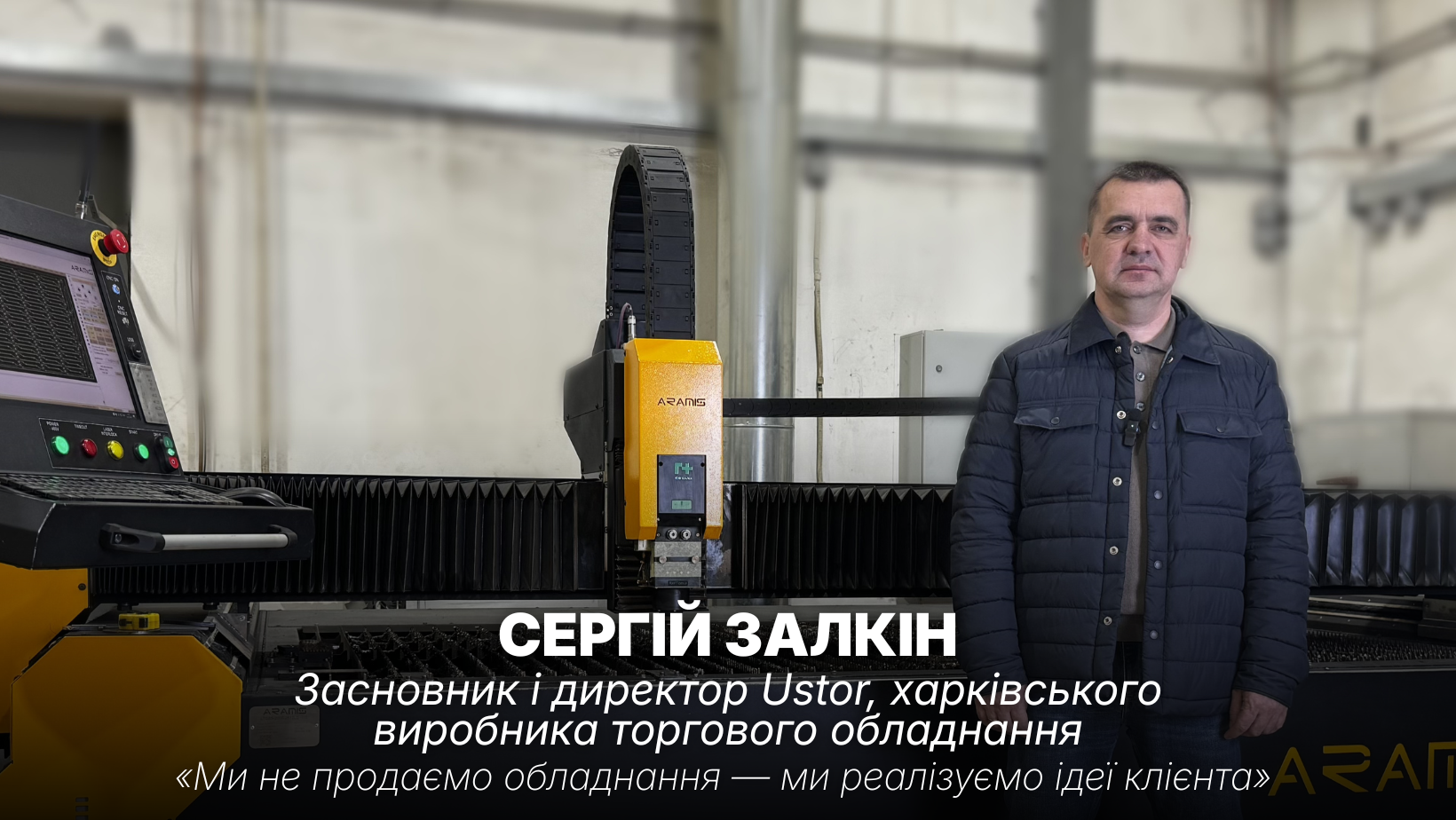
Interview with Serhii Zalkin, founder and CEO of Ustor, a Kharkiv-based manufacturer of retail fixtures
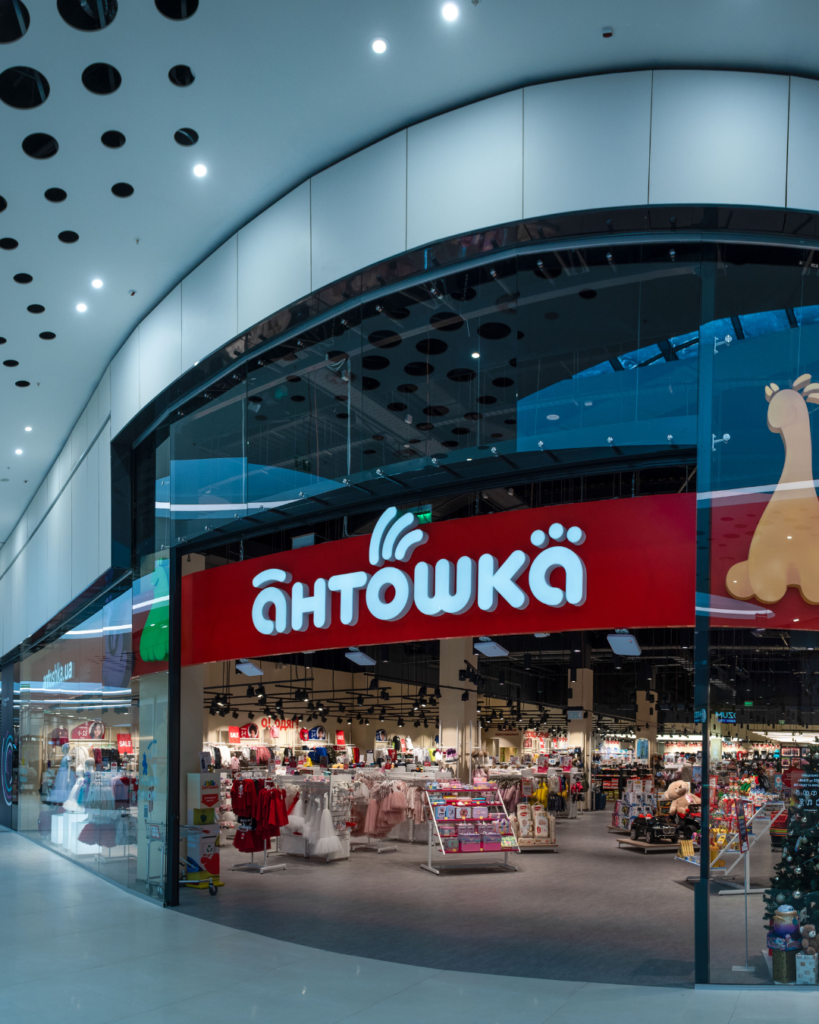
Walk into a store and, instead of noticing the products, see the fixtures they’re displayed on — Serhii Zalkin says that’s an occupational hazard. But it’s exactly this mindset that has helped build a company trusted by Epicentr, Antoshka, and Athletics. 🙌🏻
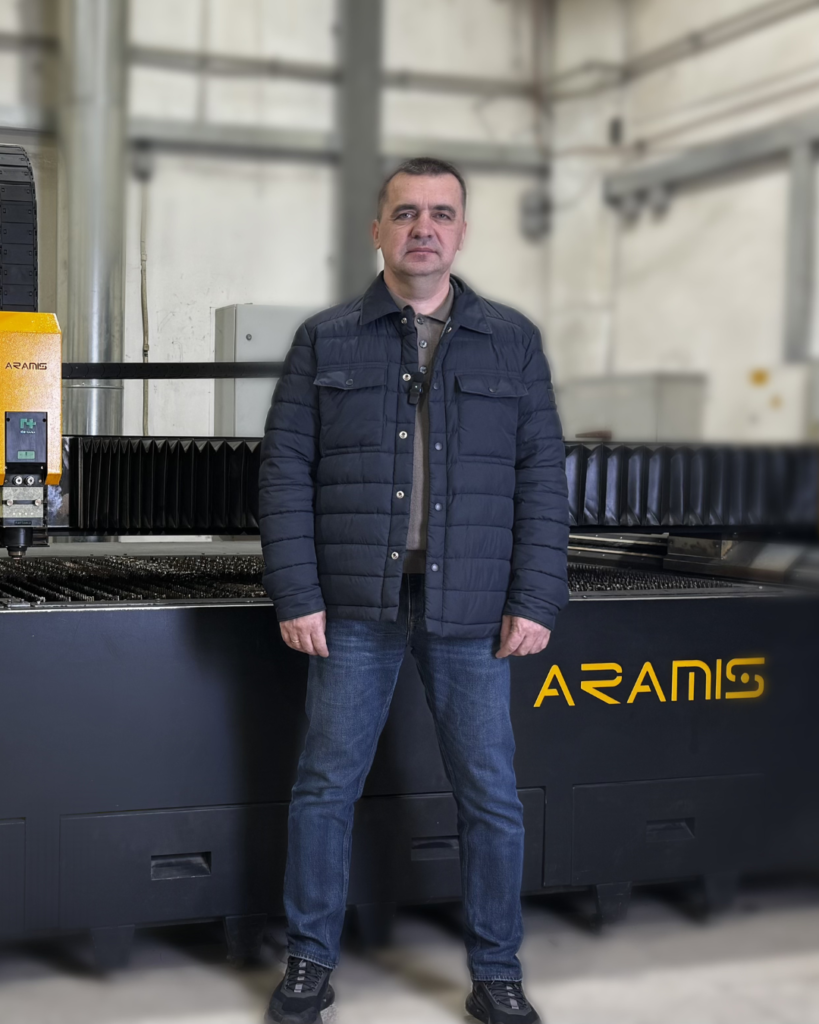
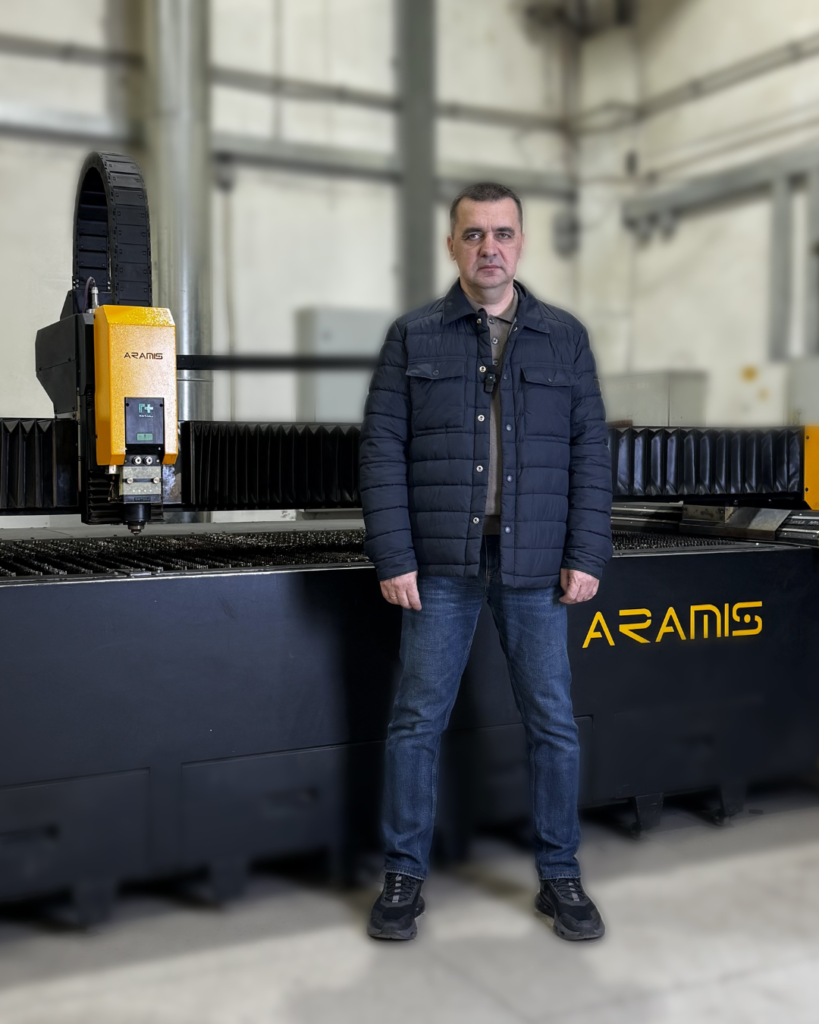
Serhii Zalkin is the founder and CEO of Ustor, a Kharkiv-based manufacturer of retail fixtures. From just two or three machines in 2014 to serving major retail chains across Ukraine.
.
/
What do you love most about Kharkiv?
It’s my hometown. I was born here, I live here, and I’ll stay here. Recently I saw a post by a Kharkiv soldier on Kyiv Day. He wrote that Kyiv residents post photos and write about their love for the city on that one day, while people from Kharkiv do it every single day. It’s like asking why you love someone from your family — simply because they exist.
.
How would you describe your business in one word?
Manufacturing.
.
Your business is all about retail. Do you enjoy shopping yourself?
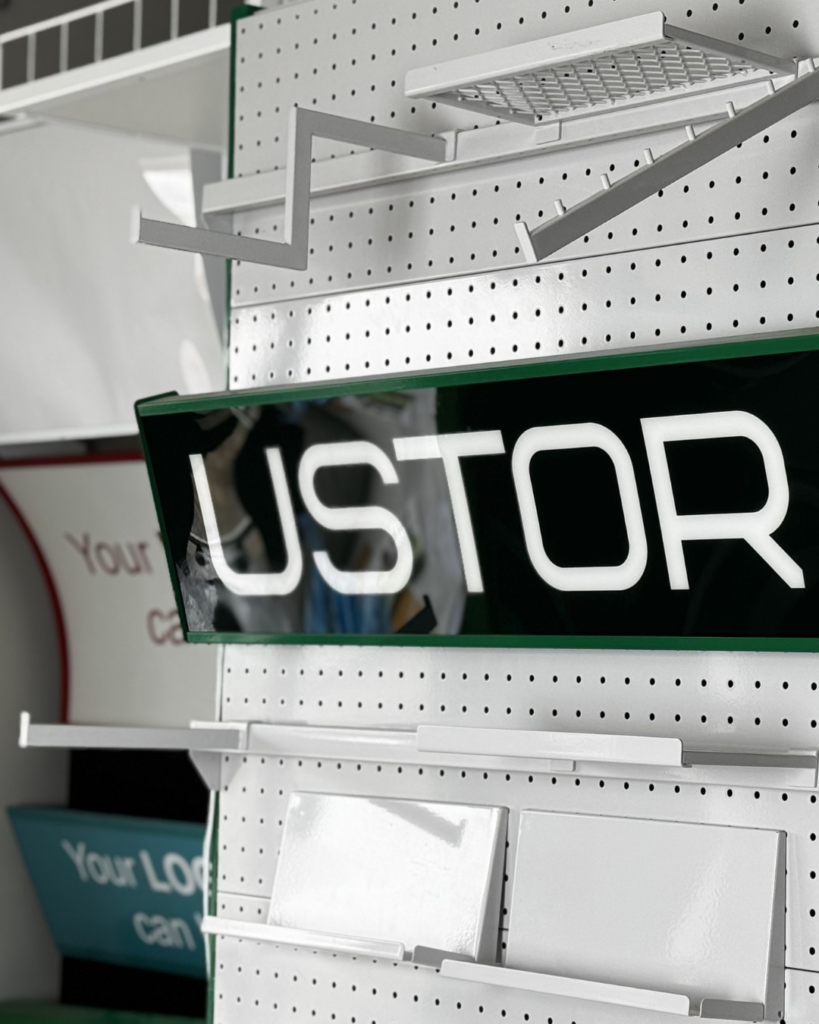
When I walk into a store for the first time, I barely notice what’s being sold. I look at the fixtures — how they’re made, what materials are used, whether we could do it better. That’s professional deformation.
.
What do you do on a weekend when you have absolutely nothing planned?
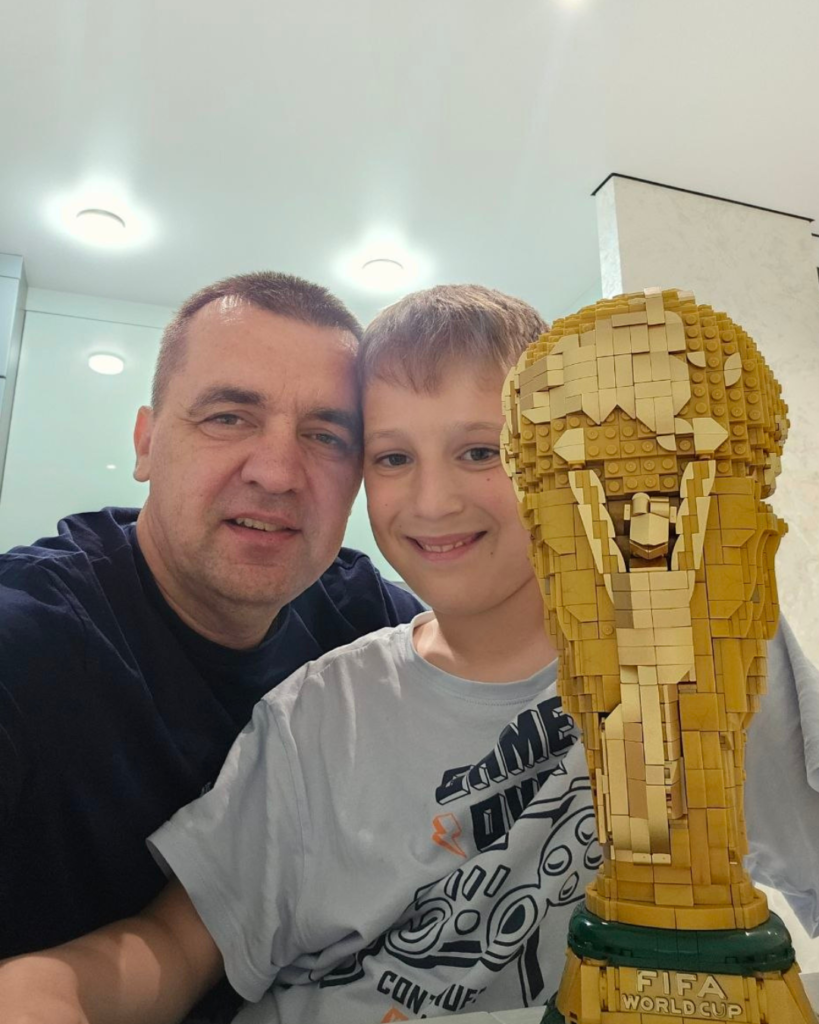
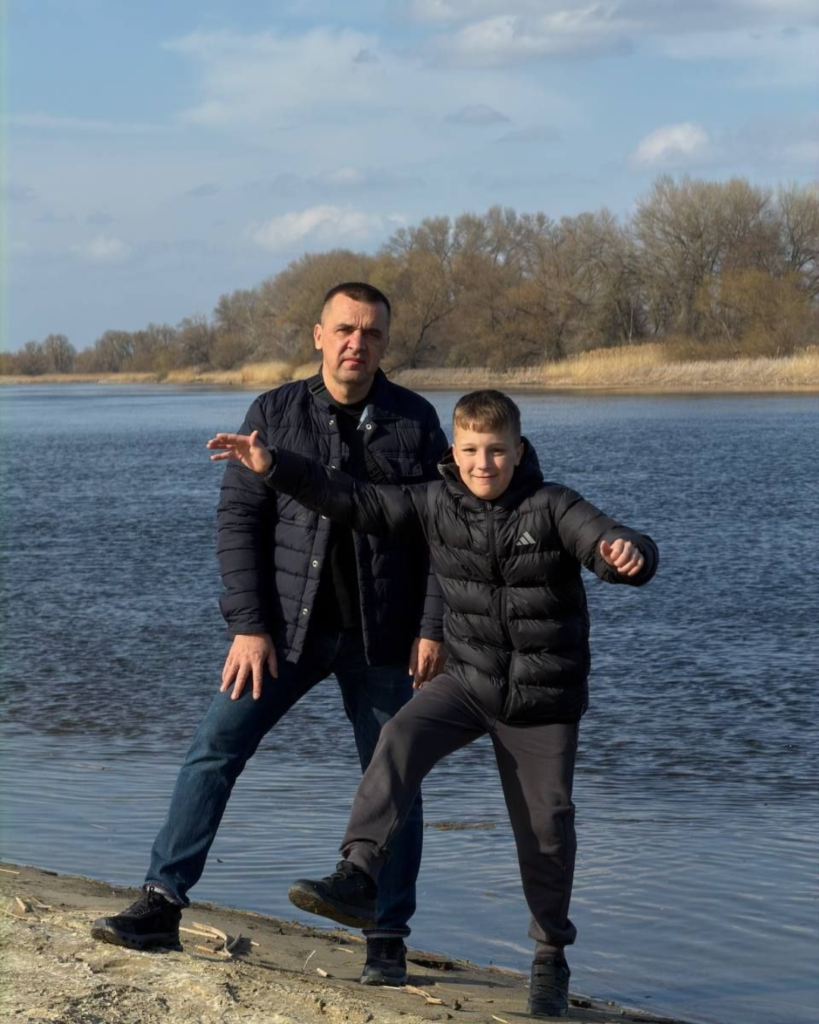
I spend all my time with my son — football, walks, Saturdays and Sundays together. The most important thing he has taught me is having no internal limits. If he wants to do something, he simply does it. I still can’t do that.
.
How did Ustor begin?
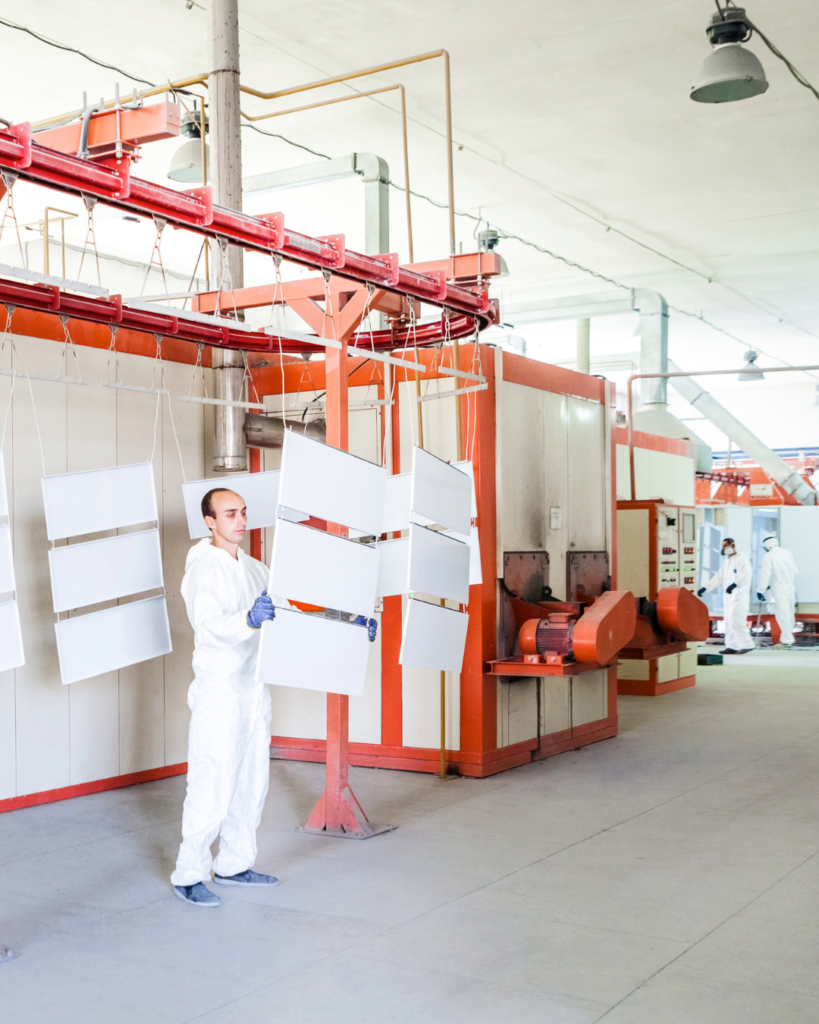
Ustor became an independent business in 2014. Before that, we were part of a large retail fixture manufacturer. Part of the team split off and started from scratch. We had just two or three machines and around ten people. From there, we grew step by step.
.
Who was your first major client?
Our first retail chain was Mamin Dim, a children’s goods retailer in Kharkiv. But the long journey was with Epicentr. For about a year and a half, our sales manager and I visited them every month with samples. Every time we heard, “Thank you, goodbye.” Around the eighth meeting, we finally got our first order. We’ve been working together for ten years ever since.
.
What was the hardest part in the early years?
Everything. Lack of money, building the production facility, hiring and rebuilding the team, negotiating with suppliers. But we had one clear goal: to become a large manufacturing company working with major retail chains using state-of-the-art equipment. That vision kept us going.
.
Ustor doesn’t sell standard equipment — you bring clients’ brand books to life. How does that work?
Every project is unique. We take the client’s concept and manufacture it exactly as designed. We do have criteria: metal must account for at least 60% of the project, and it has to be for a retail chain rather than a single store. If it doesn’t fit our profile, we decline.
.
What’s your approach to Lean manufacturing?
Lean, Kaizen, and everything around them are really just common sense. That’s exactly how we try to run our business.
.
Epicentr, Antoshka, Athletics — what’s the hardest part of working with large retail chains?
Getting in. After that, it’s pure enjoyment. The bigger the retail chain, the more interesting the production challenges become. Large chains are our favourite clients.
.
How has the typical client request changed over the past five years?
There are many more strong designers today, so most clients come with professionally developed brand books. That makes our work much easier. Five or seven years ago, that was very rare. It’s not related to the war — it started before that.
.
February 24, 2022. Where were you, and what happened?
At five in the morning, we woke up to explosions. Then the production director called asking, “Are we going to work today?” Everyone dispersed. At the beginning of May, we came back and restarted production.
.
How did you decide not to relocate?
We asked the team. Most people said they weren’t leaving. I didn’t want to leave either. So we stayed. We’ve been working here ever since.
.
What was the hardest thing to preserve during the war?
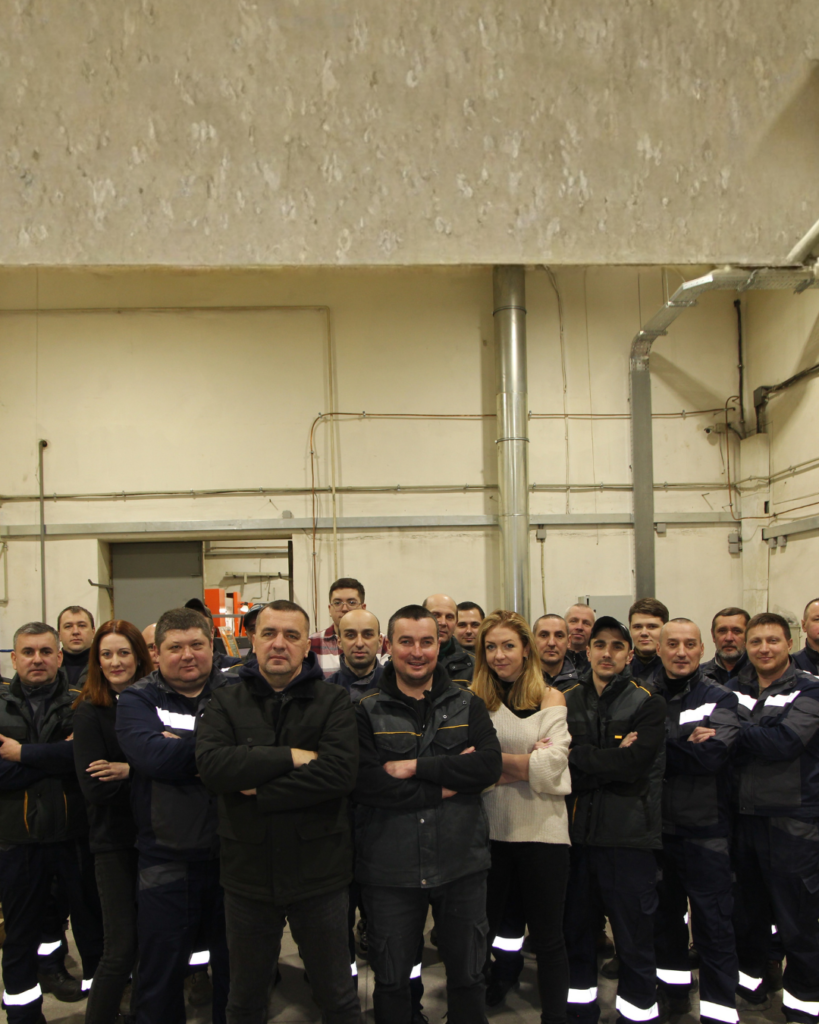
The team. We joked that we’d become an international company: our chief power engineer was in Romania, a design engineer in Sweden, the procurement manager in Denmark, the sales manager in Portugal, while we stayed in Ukraine. Before the war we had 35 employees. Today, ten of our colleagues are serving in the Armed Forces. We support them and wait for them to come back. We truly believe they will.
.
Why did you decide to join the Ukrainian Association of Furniture Manufacturers?
I had been following the Association on social media. Before that I was part of a Kharkiv business board, but I missed having larger manufacturing companies around me. Here I found exactly what we needed — furniture manufacturers working with wood and particleboard, the right partners for delivering complete retail projects.
.
Is there a project or idea you’ve been thinking about for years?
We have an empty plot on our company grounds. Before the war I designed a new 1,000-square-metre production hall. The drawing is still hanging on my office wall. I look at it and tell myself: one day I’ll build it. No doubt about it.
.
Where do you see Ustor in ten years?
Definitely with that new production hall built. New retail chains, new technologies, new machinery, new materials. And there’s one more dream. My son is ten years old now. I’d love for him to take over the business one day, just like in Italy, where companies are passed from generation to generation. If that’s what he wants.
/