

Підготовка бізнесу до впровадження EUDR: ключові аспекти для українських підприємств
Європейський Союз у 2023 році затвердив новий Регламент ЄС щодо знеліснення та деградації лісів (EUDR), що накладає суворі обмеження на продукцію, яка спричиняє знеліснення, та на бізнес-процеси, які можуть мати негативний вплив на ліси. Для українських підприємств, що експортують продукцію на ринок ЄС, впровадження цього регламенту стане важливим викликом, оскільки вони повинні адаптувати свою діяльність до нових умов.
Основні вимоги EUDR
Згідно з EUDR, будь-яка продукція, що ввозиться на територію ЄС, повинна бути «вільною від знеліснення», що означає, що вирубка лісів для виробництва таких товарів не повинна бути причиною знеліснення після 31 грудня 2020 року.
Ключові вимоги EUDR включають:
- Точність геолокації: усі оператори повинні надати геолокацію з точністю до 6 знаків земельних ділянок, де виробляється відповідна продукція.
- Документи на належну обачність (Due Diligence): виробники повинні надавати докази того, що їхні товари відповідають екологічним стандартам і законодавству країни-виробника.
- Надійність даних: з огляду на високий рівень корупції в Україні, європейські контролюючі органи вимагатимуть додаткових доказів законності походження продукції.
Актуальні проблеми для України
Українські підприємства, особливо в лісовій та сільськогосподарській галузях, можуть стикнутися з такими викликами:
– Знеліснення та деградація лісів: Україна має великі площі самосійних лісів, які не завжди офіційно зареєстровані, що може викликати складнощі з сертифікацією продукції.
– Проблеми з ідентифікацією лісових ділянок: Відсутність належного обліку лісів і ненадання частини з них у користування призводить до спроб їхньої незаконної вирубки.
– Неналежне регулювання рубок: Невизначеність правил рубок та неоднозначні трактування законодавства також є перешкодами для отримання статусу «низького ризику».
Рекомендації для бізнесу
Для того, щоб відповідати вимогам EUDR, українські компанії повинні:
- Реформувати свої виробничі процеси: Необхідно переконатися, що використовуються лише законні та екологічно чисті методи заготівлі сировини. Наприклад, підприємствам слід уникати використання деревини з самосійних лісів або з ділянок, що не пройшли належну ідентифікацію.
- Підготовка документів для належної обачності: Оператори повинні бути готові надавати всю необхідну документацію щодо походження продукції, включаючи сертифікати, що підтверджують екологічну чистоту продукції.
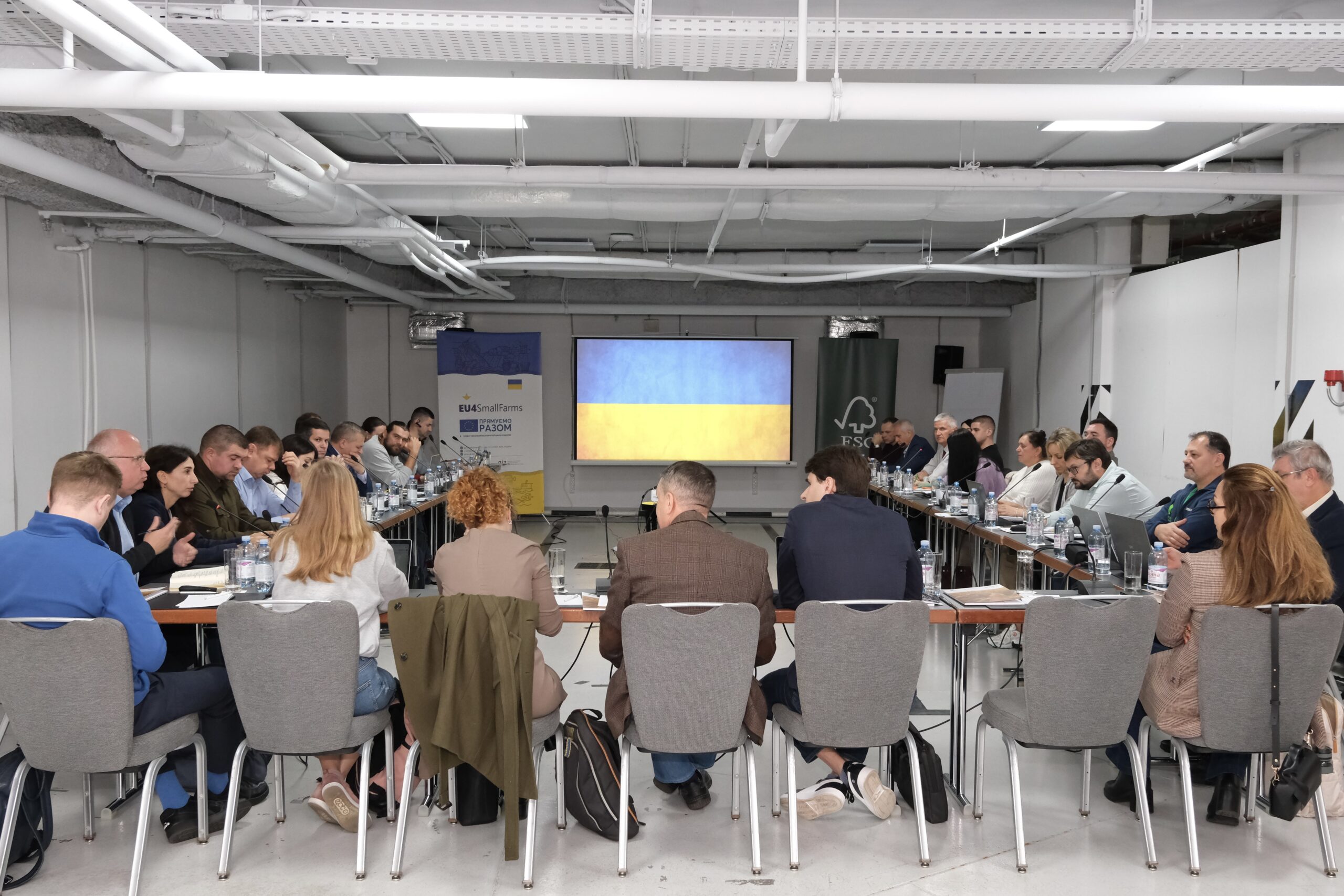
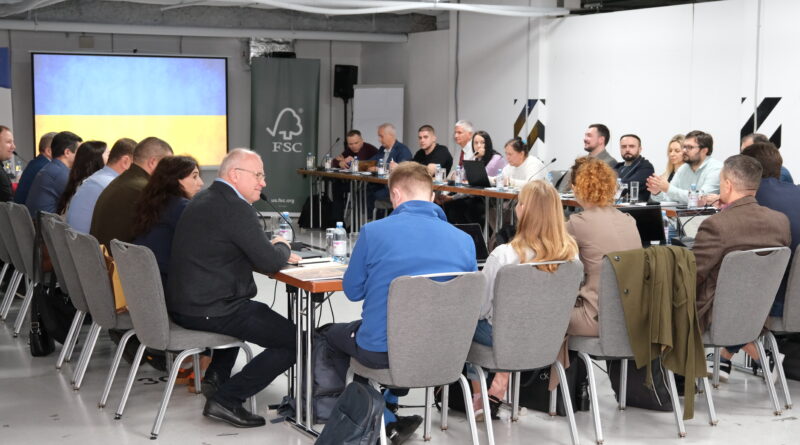
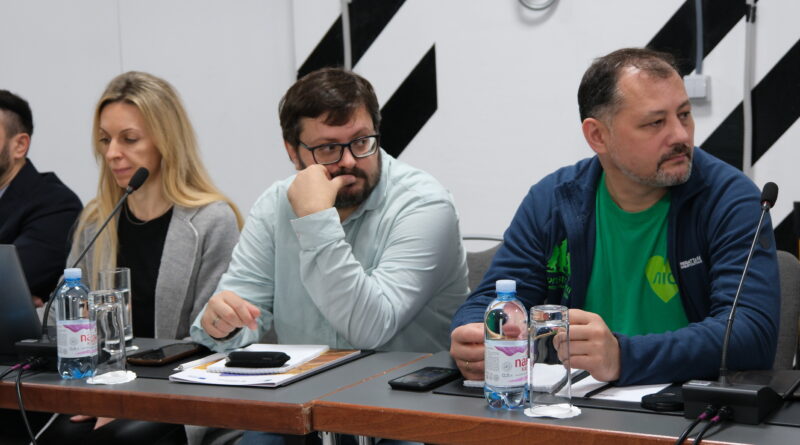
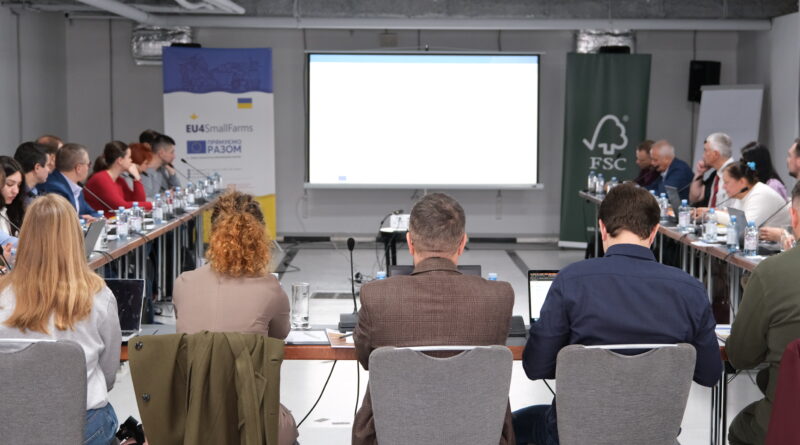
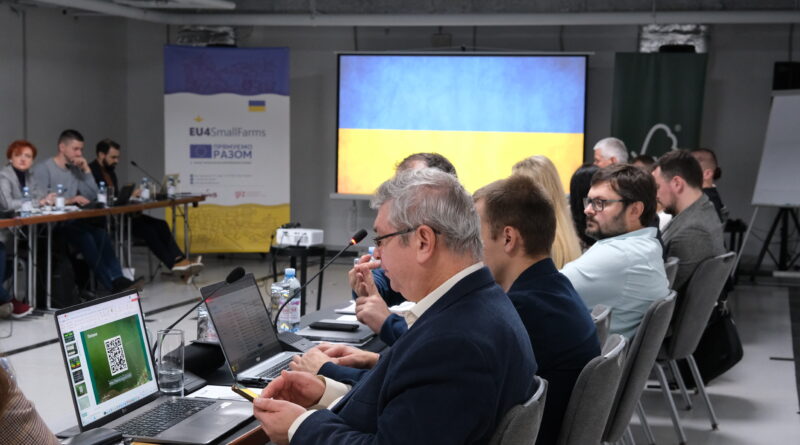
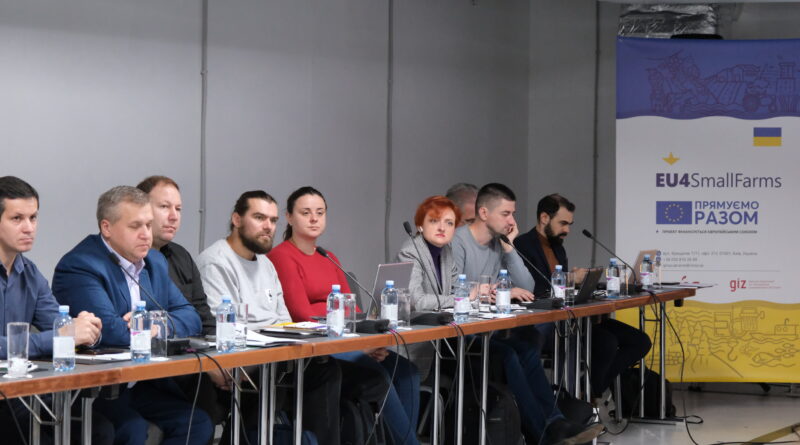
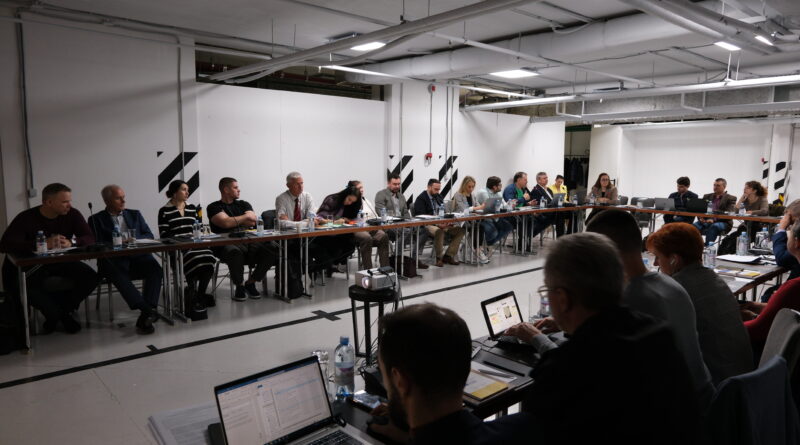
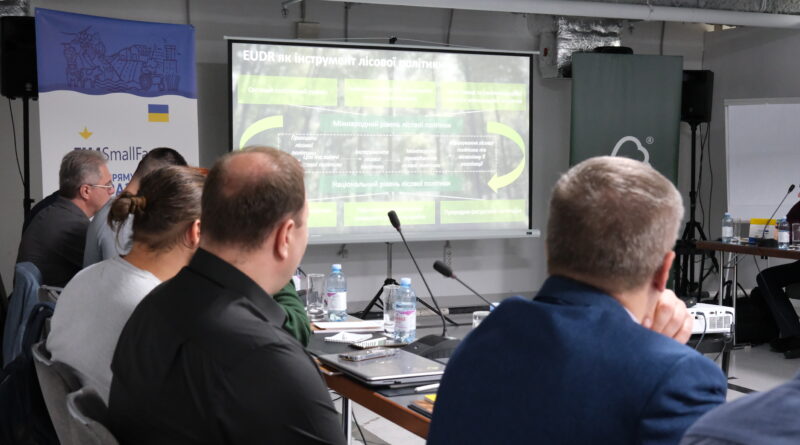
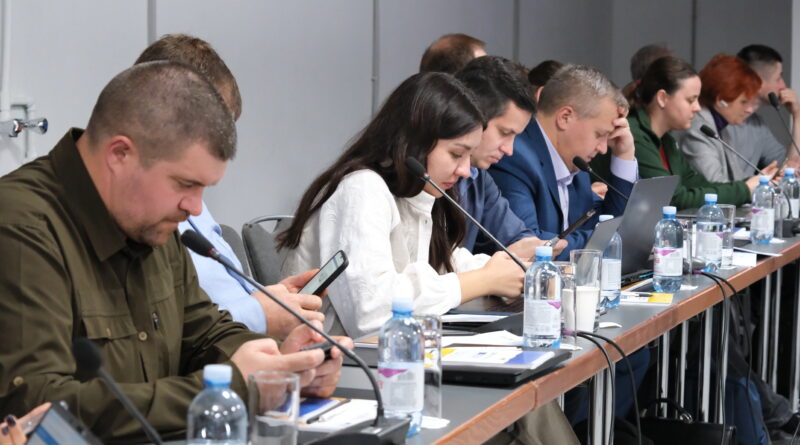
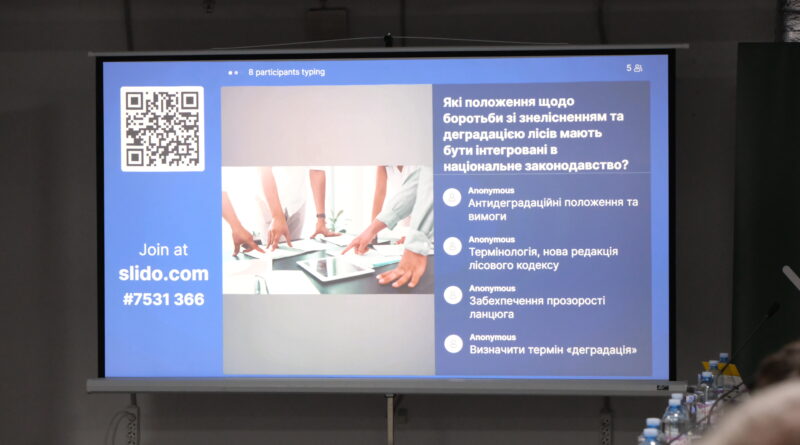
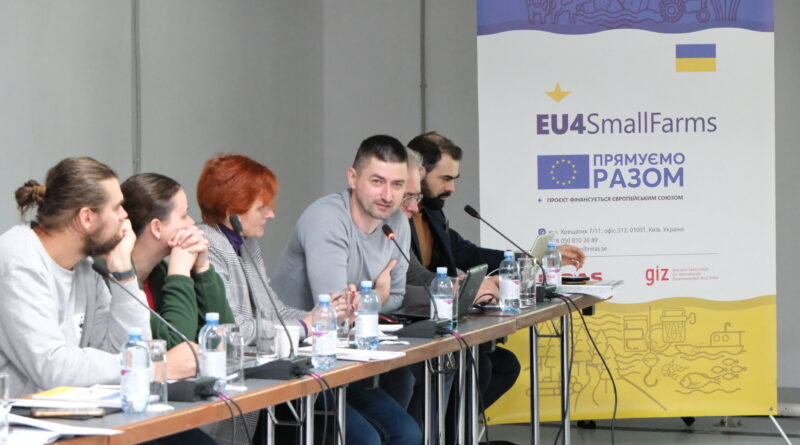
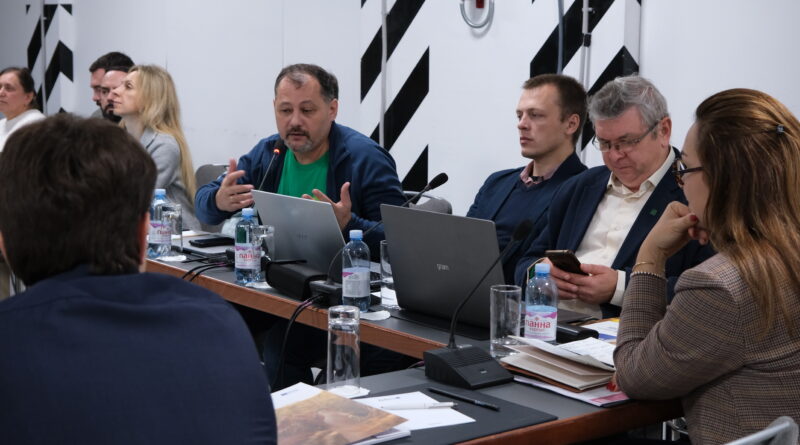
11 жовтня 2024 року відбулось засідання робочої групи щодо сприяння підготовці України до впровадження Регламенту ЄС щодо знеліснення та деградації лісів. Учасниками робочої групи були стейкхолдери лісів України, серед яких ДП “Ліси України”, WWF-Україна, FAO, FSC Україна, PEFC, IPRSA, Міністерство захисту довкілля та природних ресурсів України, Держлісагенство, представники бізнес-обʼєдань та громадських організацій. В засіданні взяла участь Оксана Донска, Член Правління УАМ, вона зазначає: “Приємно було брати участь в конструктивному діалозі, де всі учасники прагнули єдиної мети – боротьба зі знелісненням та деградацією лісів та ведення лісового господарства за нормами та регламентами, прийнятими в світі та ЄС зокрема. На порядку денному внесення змін до нормативно-правових актів України, адаптація документообігу до вимог регламенту EUDR ДП “Ліси України” та підготовка бізнесу до роботи за його вимогами.”

Для кращого дослідження теми впровадження EUDR рекомендуємо переглянути вебінар, який ми проводили в квітні:
А також презентаційні матеріали учасників робочої групи:
Висновок
Українські підприємства, які планують експортувати свою продукцію до ЄС, повинні вже зараз почати підготовку до виконання вимог EUDR. Це включає як юридичні, так і технологічні зміни, спрямовані на забезпечення екологічної стійкості їхньої продукції. Підприємства, що адаптуються до нових вимог, зможуть зберегти та розширити свою присутність на ринку ЄС, тоді як ті, хто не здійснить необхідних кроків, ризикують втратити доступ до цього важливого ринку.
Дії Української Асоціації Меблевиків:
Оскільки виробник меблів є покупцем деревини і недостатня налагодженість співпраці з її постачальниками може призвести до зупинки експорту українських меблів, що мають деревину в складі, УАМ спільно з ФРУ та АДПУ надіслала запит на Міністерство захисту довкілля та природних ресурсів України з проханням доручити Держлісагентству, ДП «Ліси України» прийняти необхідні рішення та внести зміни до нормативно-правових актів, документів, інформаційних систем, процедур і порядків, а саме надавати покупцям деревини наступну інформацію та документи:
- Наукову назву породи деревини.
- Країну вирубки.
- Географічні координати всіх ділянок, де було здійснено вирубку.
- Час або період проведення рубки.
- Докази законної заготівлі та переробки деревини.
- Докази того, що заготівля не спричинила знеліснення або деградацію лісових ділянок.
Довідка:
EUDR (Регламент ЄС щодо знеліснення та деградації лісів) — це новий нормативний акт ЄС, спрямований на боротьбу зі знелісненням та деградацією лісів, викликаними виробництвом сільськогосподарської та лісової продукції.
Основні аспекти:
- Мета регламенту:
– Захист лісових екосистем шляхом заборони продукції, яка спричиняє знеліснення, на ринках ЄС.
– Створення умов для сталого виробництва і використання лісових ресурсів.
- Продукція, що підлягає регулюванню:
– Деревина та продукція з неї.
– Сільськогосподарські товари: кава, какао, каучук, соя, олійна пальма.
– Велика рогата худоба.
- Вимоги до належної обачності (Due Diligence):
– Оператори повинні забезпечувати прозорість ланцюга постачання, включаючи геолокацію земельних ділянок, де вирощується продукція.
– Всі товари мають бути вільними від знеліснення після 31 грудня 2020 року.
– Необхідно дотримуватись законодавства країни виробництва.
- Проблеми для українських виробників:
– Складнощі з ідентифікацією земельних ділянок і самосійних лісів.
– Недосконалість системи моніторингу лісів і вирубки.
– Ризик невідповідності продукції через високий рівень корупції та неналежний облік лісових ресурсів.
- Рекомендації:
– Використання геоінформаційних систем для моніторингу лісів.
– Поліпшення процесу видачі сертифікатів походження продукції.
– Активізація державних реформ у сфері охорони лісів і належного обліку земельних ділянок.
- Виклики впровадження:
– Підвищення рівня відповідності національного законодавства вимогам ЄС.
– Забезпечення прозорості ланцюгів постачання продукції.
– Підтримка дрібних виробників у виконанні нових вимог.
- Міжнародне співробітництво:
– Платформи співпраці зацікавлених сторін, добровільні партнерські угоди, технічна допомога та обмін найкращими практиками є важливими для успішної імплементації EUDR.
