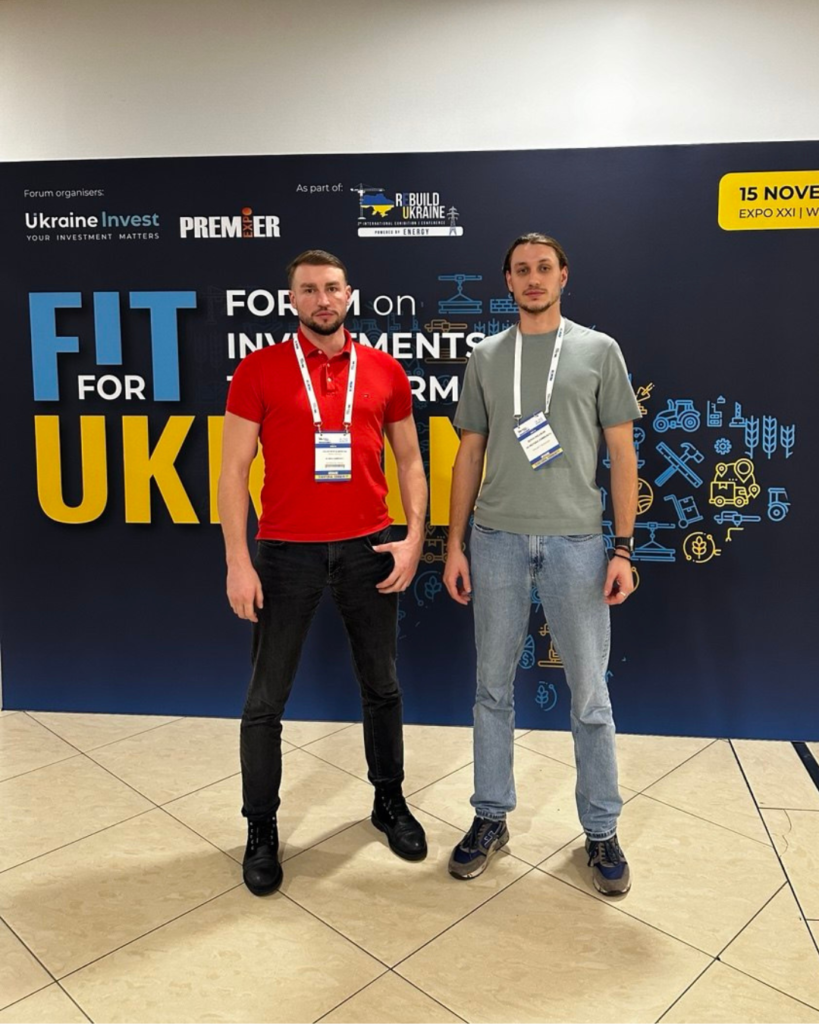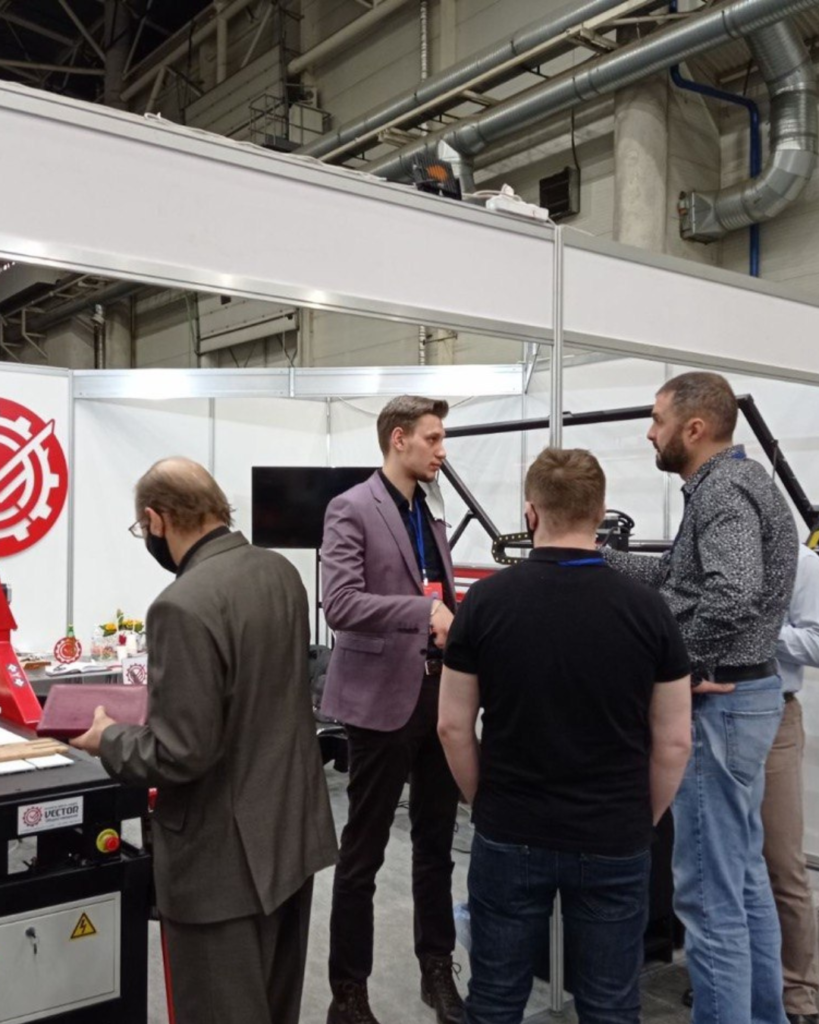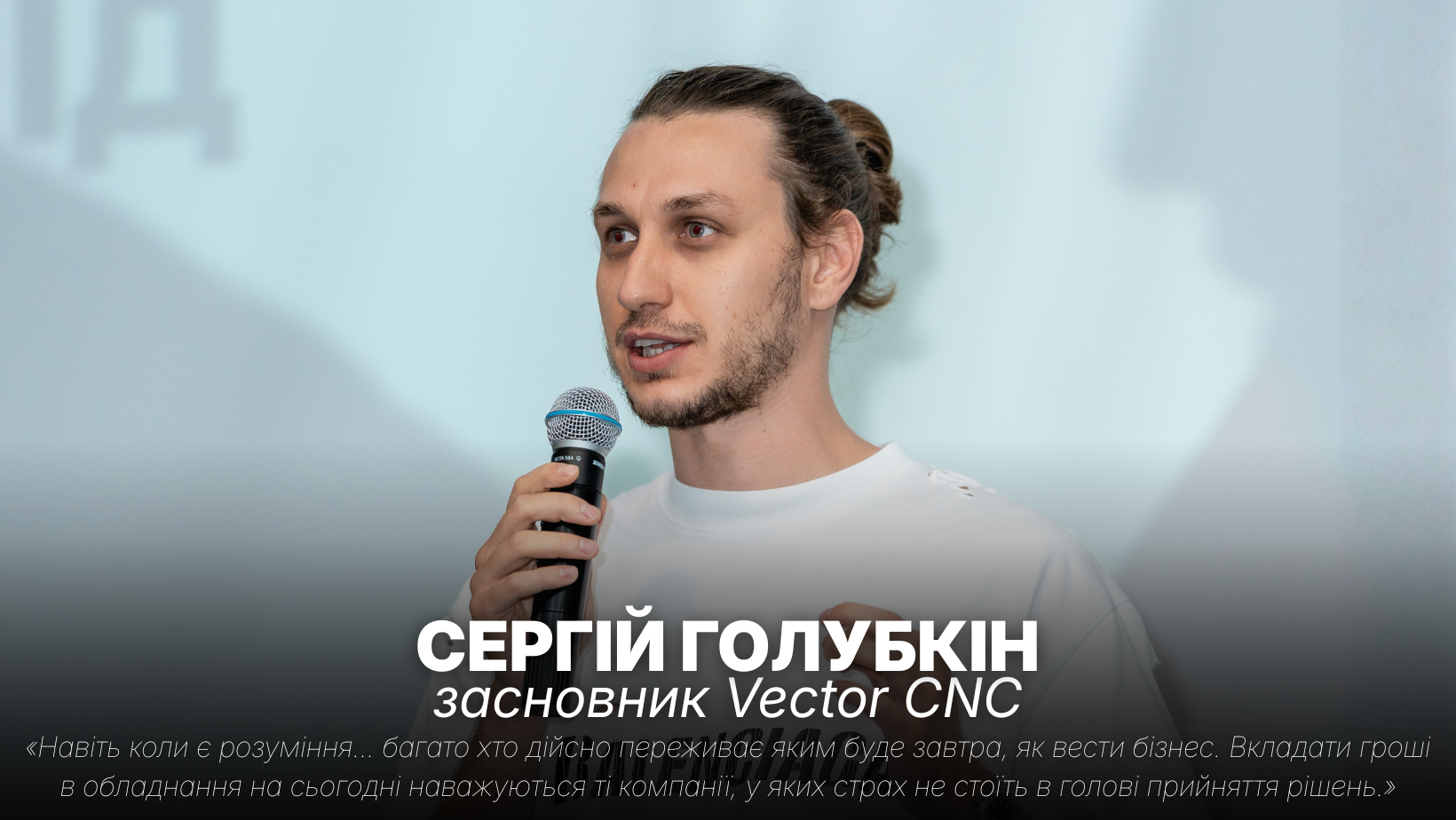
Interview with Serhiy Holubkin, founder of Vector CNC
“Even when there’s understanding… many people genuinely worry about what tomorrow holds, how to run a business. The companies that dare to invest in equipment today are the ones where fear doesn’t sit at the head of the decision-making table.”
— Serhiy Holubkin, founder of Vector CNC
.
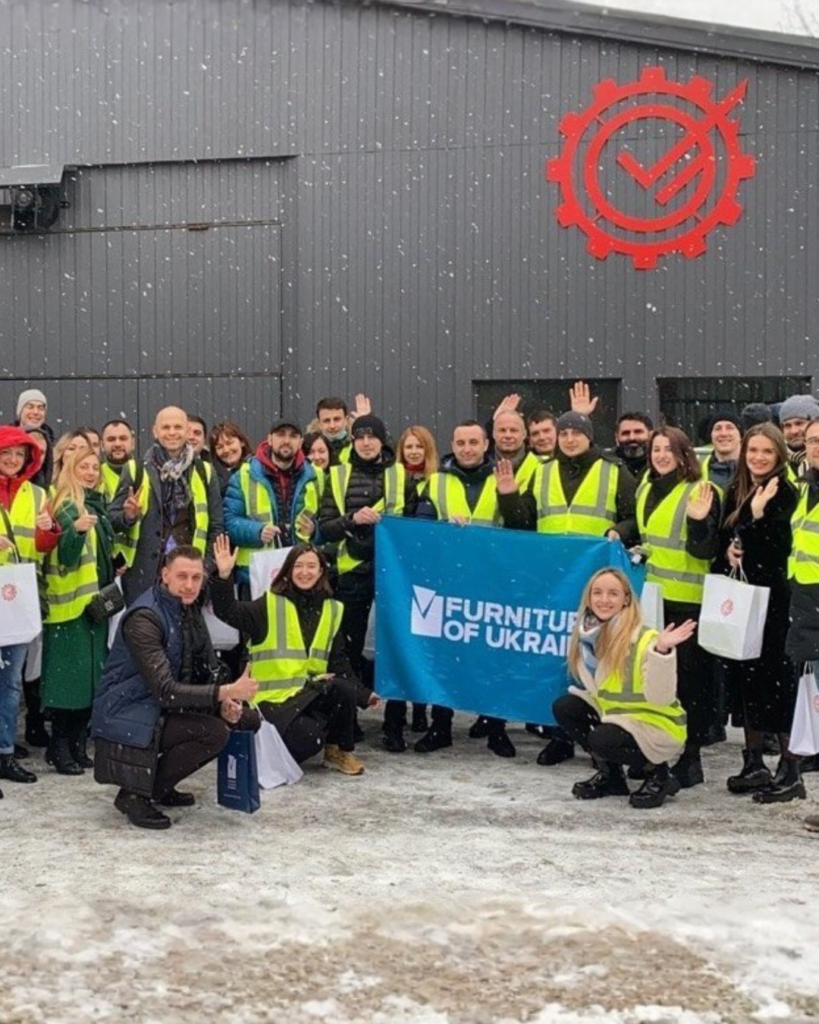
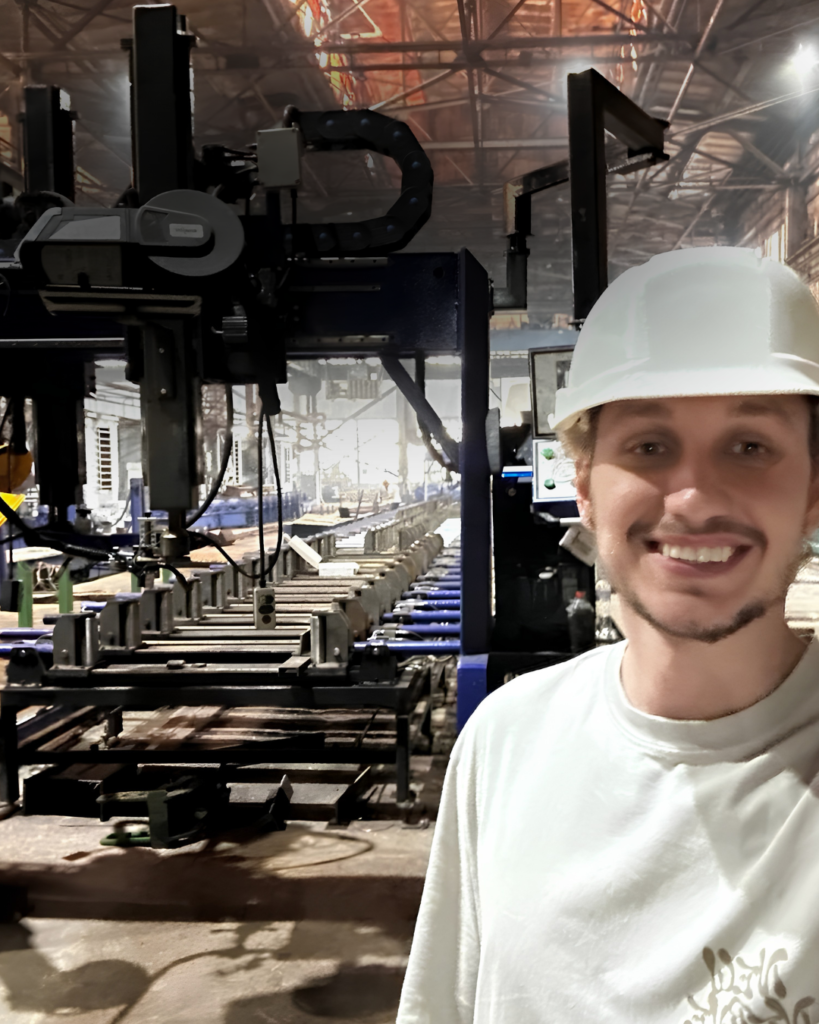
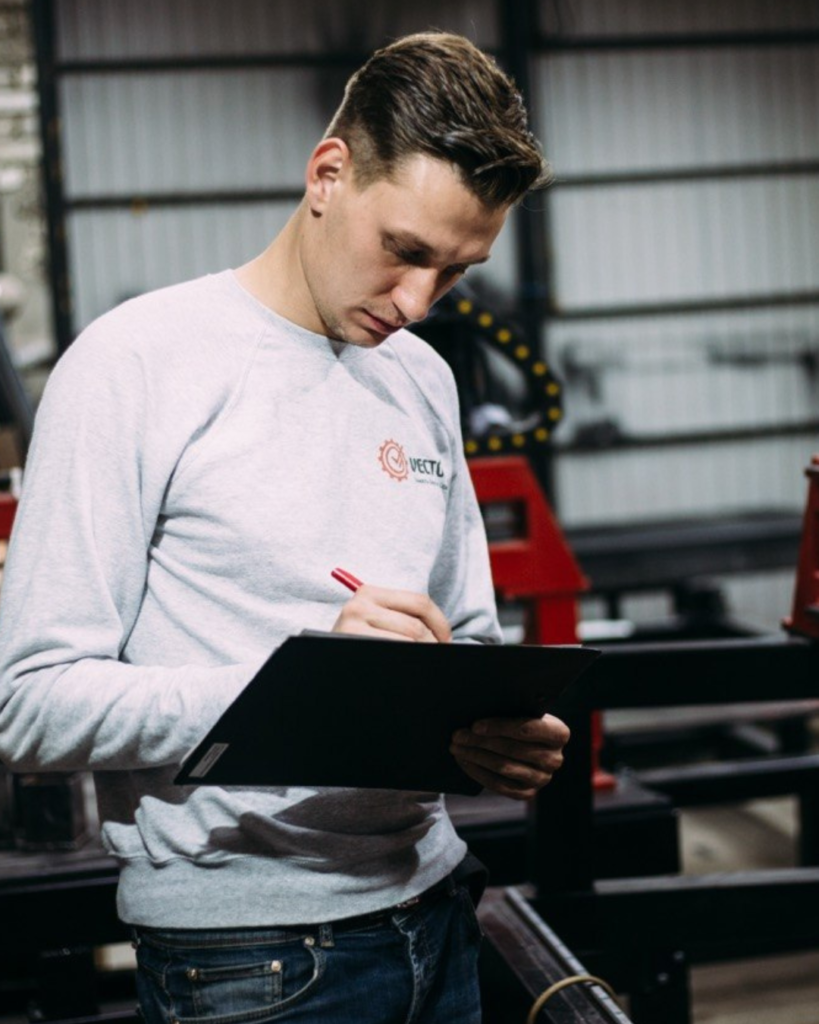
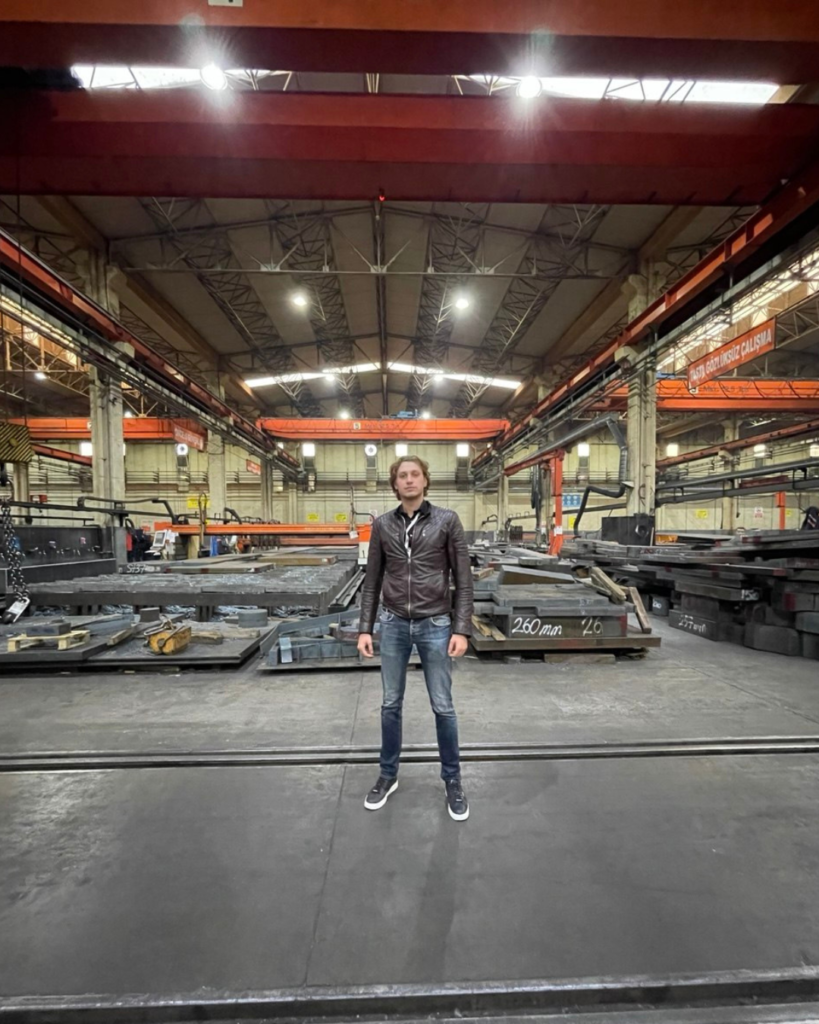
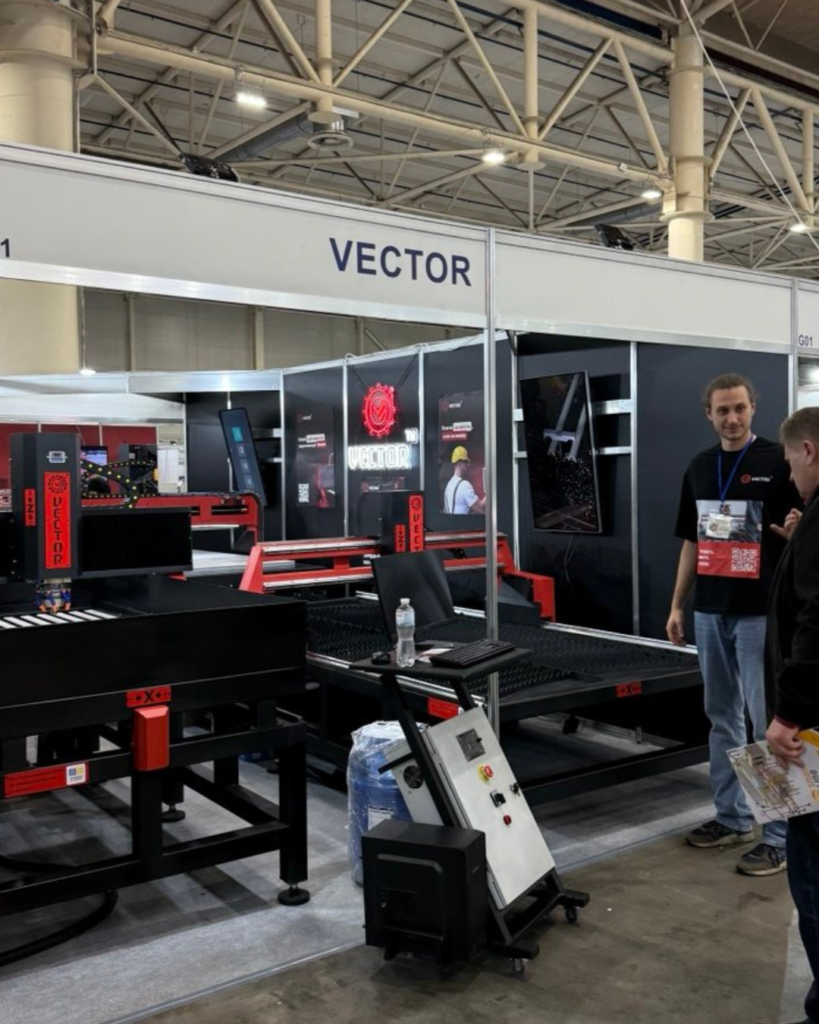
When it comes to robotics, a lack of understanding, money, and fear all create resistance in entrepreneurs — but fear is probably the biggest barrier. Serhiy Holubkin knows this not from theory. From a garage cooperative outside Kharkiv, he built one of the most recognized machine-building companies in the country. For the furniture industry, this means one thing: there’s a domestic equipment manufacturer nearby that understands business in Ukraine, understands your type of production, stands behind its product, and isn’t going anywhere. We spoke with Serhiy candidly — about the market, about fear, about education, about the factory destroyed by a missile, and about the conscious decision to stay.
.
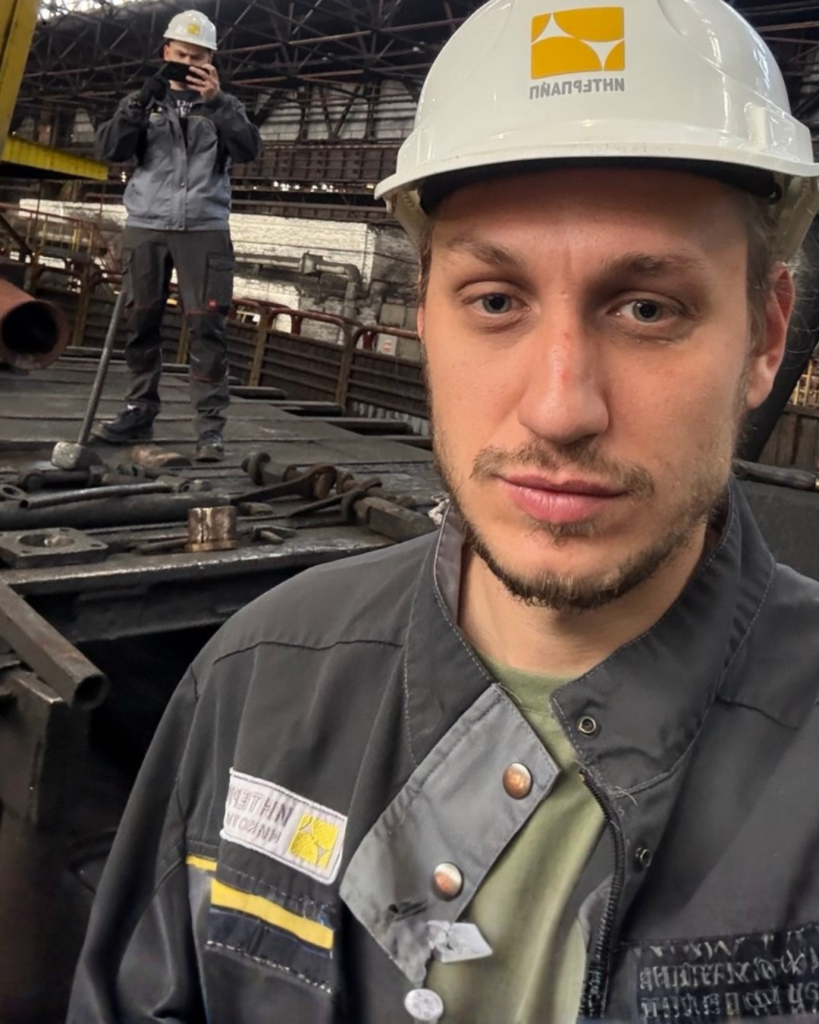
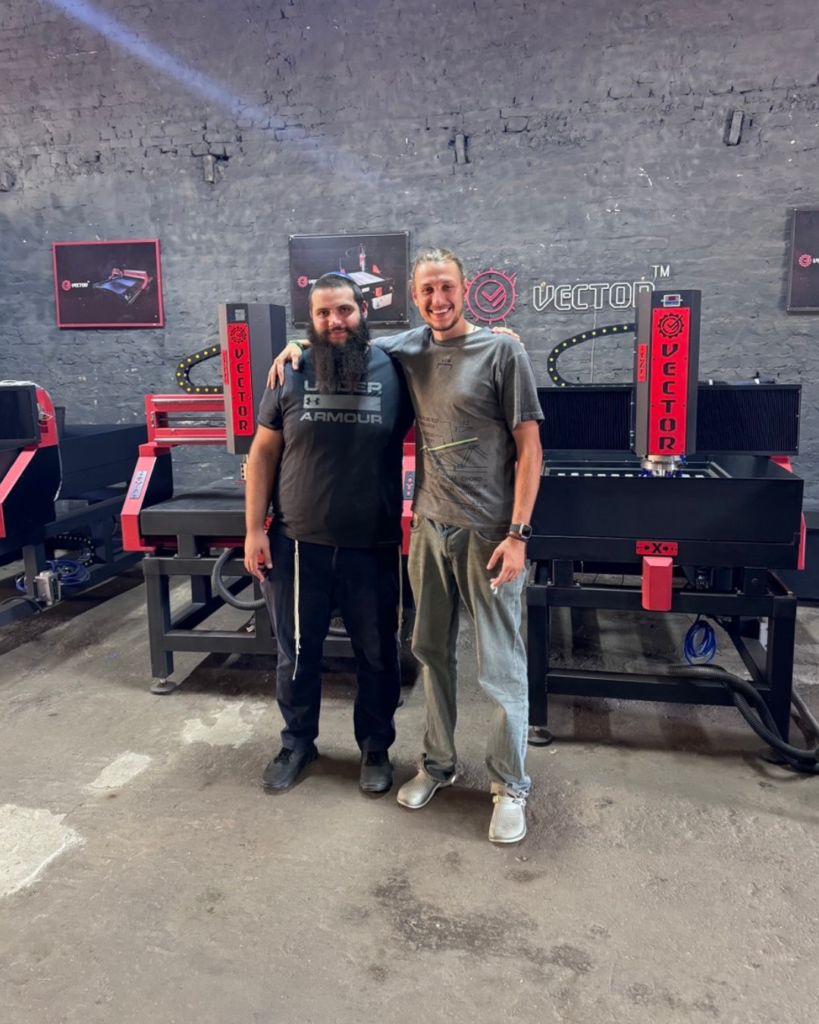
.
THE BEGINNING. FROM A GARAGE COOPERATIVE TO MANUFACTURING
.
2013, 20 square meters — how did the idea of CNC machines come about?
It was a garage cooperative in Pereiaslav-Khmelnytskyi — not even in Kharkiv, though that’s where I’m from. I was offered work there — I had just finished my competitive cycling career and joined an initiative group that was assembling CNC machines. At our best, there were five of us at most. Then we took another garage, then another — and rapid growth followed.
.
Who were the first clients and how did you find them?
In 2013 the first clients were furniture manufacturers — from different parts of Ukraine. Specifically those who made carved furniture. We found them through word of mouth and platforms — back then it was either Slando or already OLX. Marketplaces where people sell things.
.
What was the hardest part in the early years?
Financially — growing is hard, that’s obvious. But psychologically the hardest thing was working at the edge of physical exhaustion, and certain relationships with colleagues and partners I worked with at that time left me disillusioned with people. That was genuinely difficult.
.
AUTOMATION AND THE MARKET
.
Tell us about clients who refused automation. What did they say, and how did it end?
There were a lot of them. They refused mostly for one reason: “I have people who work cheaper than your machine.” Many of those companies, unfortunately, are no longer operating. Those who adapt quickly gain certain benefits and stay in the market. Those who don’t face problems: with staffing, quality, cost, and orders.
Either you minimize costs and increase productivity — or you fall out of the market. The question isn’t about making a product more expensive — it’s the opposite: making it cheaper and better at the same time. And that’s only possible through automation.
.
Where is the greatest resistance among entrepreneurs when it comes to automation?
It’s never just one thing. If there’s no fear — money can be found: there are grant programs, credit instruments, various tools. Even when there’s understanding — fear is still there. “What if it doesn’t work out? What if something goes wrong?” And right now many people are worried: what will tomorrow bring, how do you run a business. The companies that dare to invest in equipment today are the ones where fear doesn’t sit at the head of the decision-making table.
.
Vector is more than a machine manufacturer. What does “comprehensive automation” mean?
We understand the means of production and the production technology. So we equip entire factories — tailored to the client’s specific tasks. We can supply not only our own machines but any other equipment if it better solves the problem. We come in, install, set up processes, train operators — and stay alongside the client for the entire operating life of the equipment. That’s the key difference from imported machinery. The client is protected by a Ukrainian contract and our accountability.
.
Why is there still no strong machine-building sector in Ukraine?
The overwhelming majority of people who hold power and draft legislation simply don’t understand what’s happening in machine-building — even though after independence Ukraine was a very powerful country in this field. In Germany, GDP from machine-building amounts to 600 billion euros. That’s three Ukrainian GDPs. Every year we import technical equipment worth tens of billions of dollars — money we simply send abroad that could stay inside the country. Machine-building is the highest link in the production chain: whoever builds the equipment determines what gets made in a country and how.
.
PERSONNEL AND EDUCATION
.
When was the last time you couldn’t fill a technical vacancy?
All the time. The question isn’t about who specifically we’re looking for — it’s about quantity. Finding someone individually is still possible. But finding the right number of specialists like that — that’s a completely different story.
.
Vector Education — how did this idea come about?
In 2018, a person came to us with a diploma as a CNC machine operator — and they had never seen a CNC machine in their life. We understood: the only answer to “where do we find workers” is to train them ourselves. We were the first in Ukraine to explain to the Ministry of Education what CNC equipment is. We were part of the working group that created the law on STEM laboratories, which Zelensky signed in 2020 and which gave educational institutions the legal ability to purchase CNC equipment. We received a Ministry of Education recommendation and compliance with pedagogical requirements. Today our equipment is installed in educational institutions across many regions of Ukraine.
.
What specifically is wrong with technical education in Ukraine?
The most important issue is the absence of comprehensive technical education for technologists. When we hire an engineer from a university, we get someone who knows how to draw in SolidWorks — and that’s it. Tell them to develop a piece of equipment and they say: I don’t know how. They’re not taught to think, not taught technical creativity. It’s the same with furniture makers: an engineer can draw furniture, but if a client comes with a non-standard request — they don’t know how to execute it. Graduates of vocational colleges, where technology is actually taught, are often more practical than university graduates. There are one or two machine-building departments in Ukraine with intake of ten people each — and none of them will go into machine-building, because they’re not taught the technology of creating it.
.
You grow a specialist from scratch — what does that cost?
Realistically — six months. In money — six months of that person’s salary plus the time of those who train them during working hours. And there’s no guarantee they’ll even stay: we have complex production that requires constant thinking. We’re constantly developing new equipment — and for a certain category of people, that’s simply too much. Unfortunately, few people can handle that kind of load.
.
INTERNATIONAL EXPERIENCE
.
The first export contract — how did it happen?
A request came to our inbox in English — a person from America wanted something custom. We didn’t take it seriously at first, because we’d never sold abroad. But we kept responding — and step by step, across time zones, we worked through the technical specifications. We built an entire production line for manufacturing doors. The client paid 100% upfront — for a machine we hadn’t made yet. When we asked how he found us — he said: someone recommended you. That’s how our first export order went to Miami. That was 2019–2020.
.
What did you have to change in the product for foreign markets?
Technically — in America, for example, it’s 110 volts, a different electrical schematic. In Europe — their own certification standards. But that doesn’t change the machine structurally — these are electrical engineering nuances. Adapting to a different mindset before the sale itself is harder. Overall our product is competitive on any market. There are cases where we supplied equipment comparable to the American manufacturer Haas. We have achievements in laser machine-building, metal turning and milling, and processing of stone, wood, and plastic.
.
Which market turned out to be the most surprising in its logic and approach?
It’s hard to single one out — they’re all different. But there’s one observation that genuinely surprised me: the number of broad-profile technical specialists in Ukraine is a real competitive advantage that we often don’t notice ourselves. A “jack of all trades” is the norm here. Someone who can lay tiles, fix an outlet, and figure out unfamiliar equipment. For machine-building, that’s critically important.
.
THE DECISION TO STAY
.
How did you find out the factory was destroyed?
It was a video in Viber from the commercial director. By that point I was already in Chernivtsi — I had been evacuating people from Kharkiv, because in the first days the Russian army entered the city itself. I spent almost the entire beginning of 2022 on the road, behind the wheel.
.
How long did it take from the strike to the decision — we continue?
Very quickly. At that time I had three production facilities — two in Ukraine, one in Kazakhstan. There was a real opportunity to leave and run the business there at the same level. But I couldn’t abandon the people who worked for us. I couldn’t abandon the clients who had trusted us. We have a long production cycle — months, sometimes half a year. Many orders were in progress, a lot of client money and finished equipment was at our facility. Just packing up and leaving — that’s not who I am.
.
How did you support the team?
Both financially and morally. I relocated part of the team to Chernivtsi, provided housing, shelter, and so on. Anyone who couldn’t manage to leave on their own received full support with relocation and everything that entailed.
.
And who supported you?
My faith in God supported me. Through it I understood that I wasn’t alone and that all of this wasn’t for nothing — that there’s some other purpose I might simply not yet know. That’s what allowed me to get through it all.
.
VECTOR IN 10 YEARS
.
How do you see Vector in 10 years?
The largest machine-building company in Ukraine, with offices and production facilities in multiple countries — Europe, Latin America, the US, Canada. The overall goal is to hold at least 10% of the global technical equipment market and create technologies that improve the lives of ordinary people and entrepreneurs. By the way, in 2021 the Sich-2 satellite was assembled on our equipment in Ukraine — and that’s just one example of where we already are.
.
Is there a project or idea you can’t let go of?
I’m used to separating dreams and goals — they’re different things. Every goal that was once a dream opens the path to a new, even bigger one. Few people know this, but I have a medical background — I went into it because from childhood I wanted to help people. But in the end I found another path — helping technically. Like a doctor helps a patient who comes in for an appointment — we do the same: the client comes with a production challenge, and we find the solution.
.
What is the main indicator of a company’s success for you?
Client loyalty, volume, numbers — those matter. But the most important thing is when the overwhelming majority of people are happy to work at the company and aspire to grow within it — including managers and the owner.
.
LIGHTNING ROUND — THE PERSON
.
When are you most productive?
When I’m in a good mood — and that has nothing to do with the time of day. Sometimes I can’t sleep, and the best ideas come at night. Subtle, unconventional ones — I write them down. Fundamental ones — I put them to work immediately.
.
Is there a hobby few people know about?
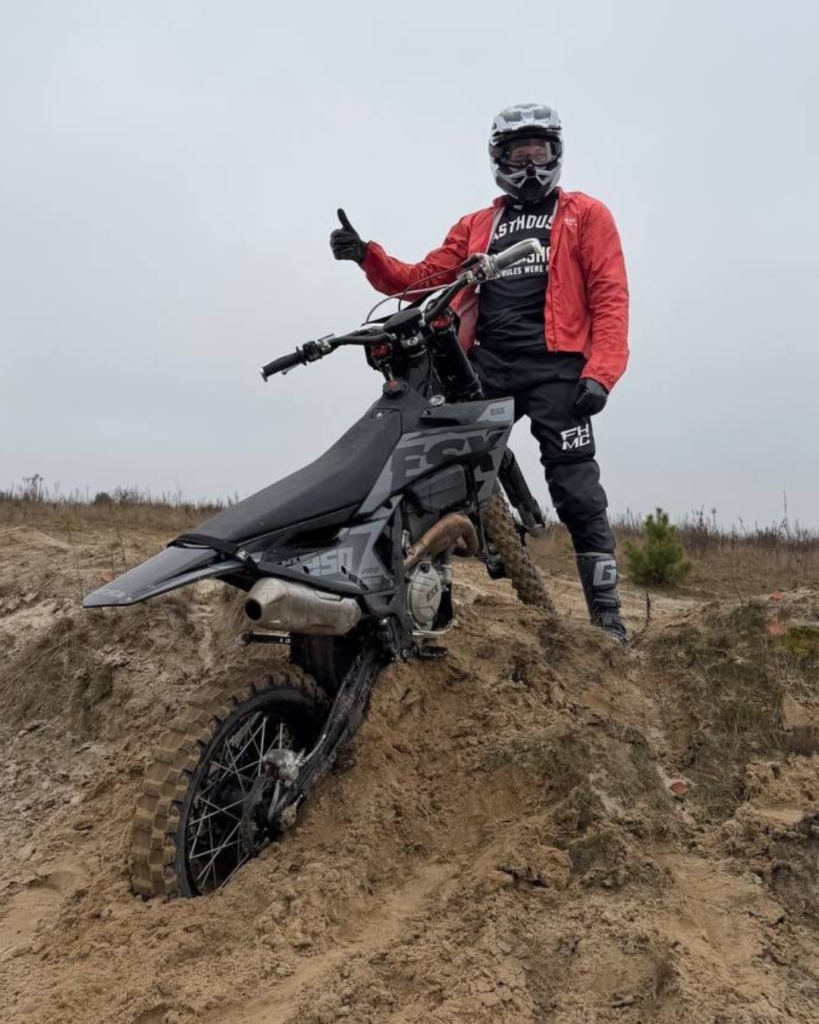
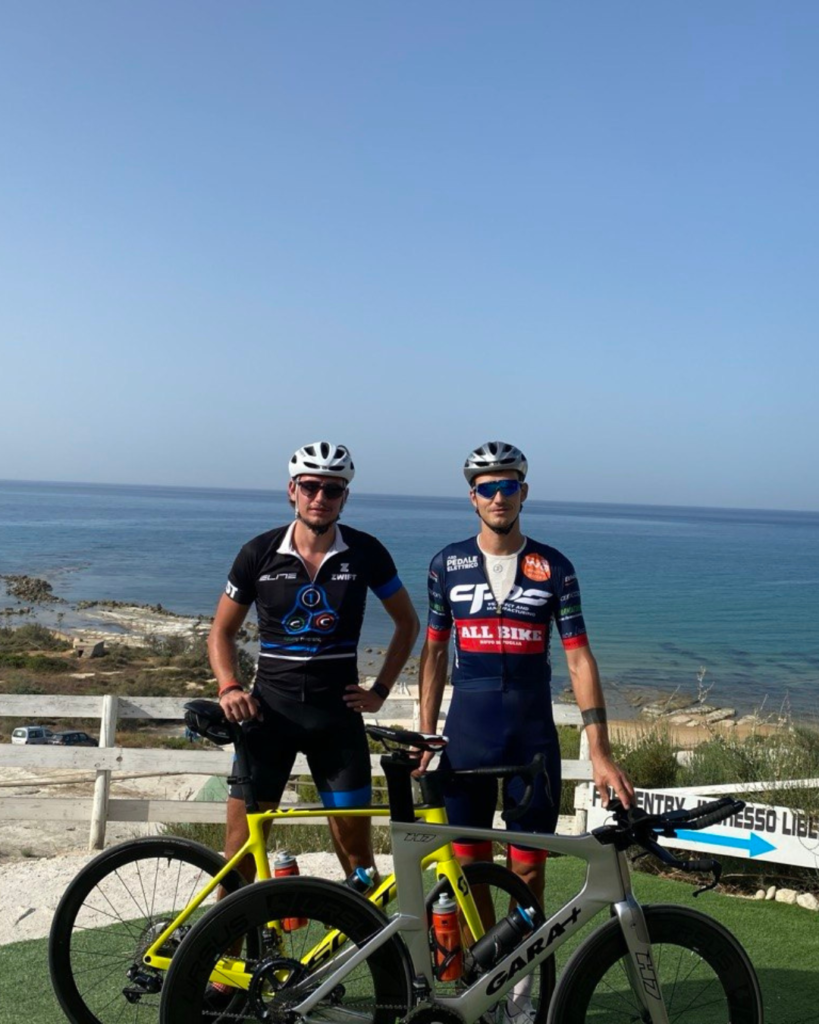
Close friends know everything. I’m a Ukrainian cycling champion — now it’s a hobby, since I no longer compete professionally. There’s also enduro: I ride with a group almost every Sunday just for fun. And skydiving — in any country I visit, I try to do at least one or two jumps to mark the occasion.
.
What do you listen to in the morning?
Lately — silence. In the car I don’t turn on radio or podcasts. Podcasts are great when you don’t know what to do. But when you do know — it’s important to stay focused on the goal, rather than replacing action with consuming other people’s thoughts.