

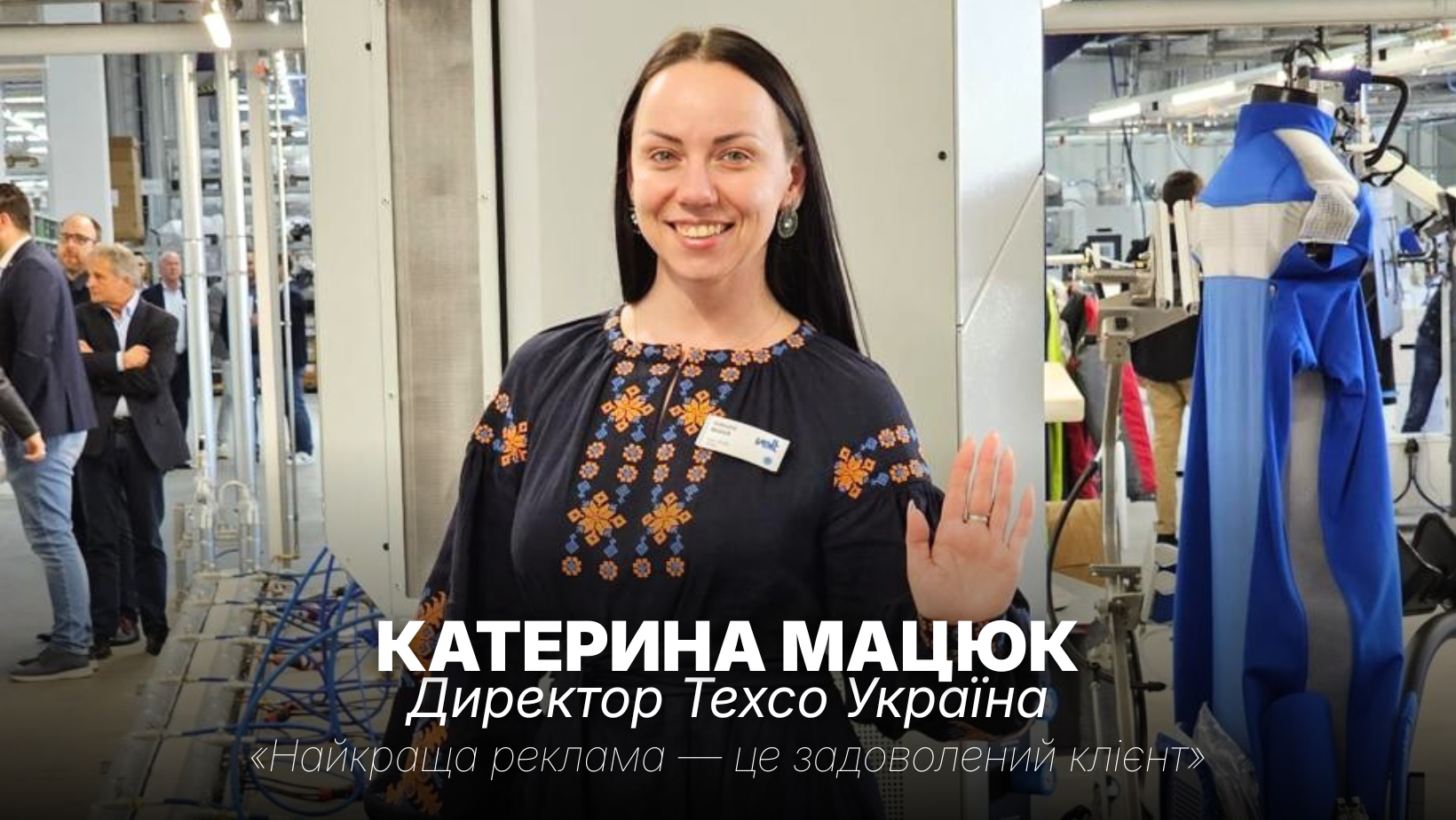
Interview with Kateryna Matsiuk, Director of Texco Ukraine
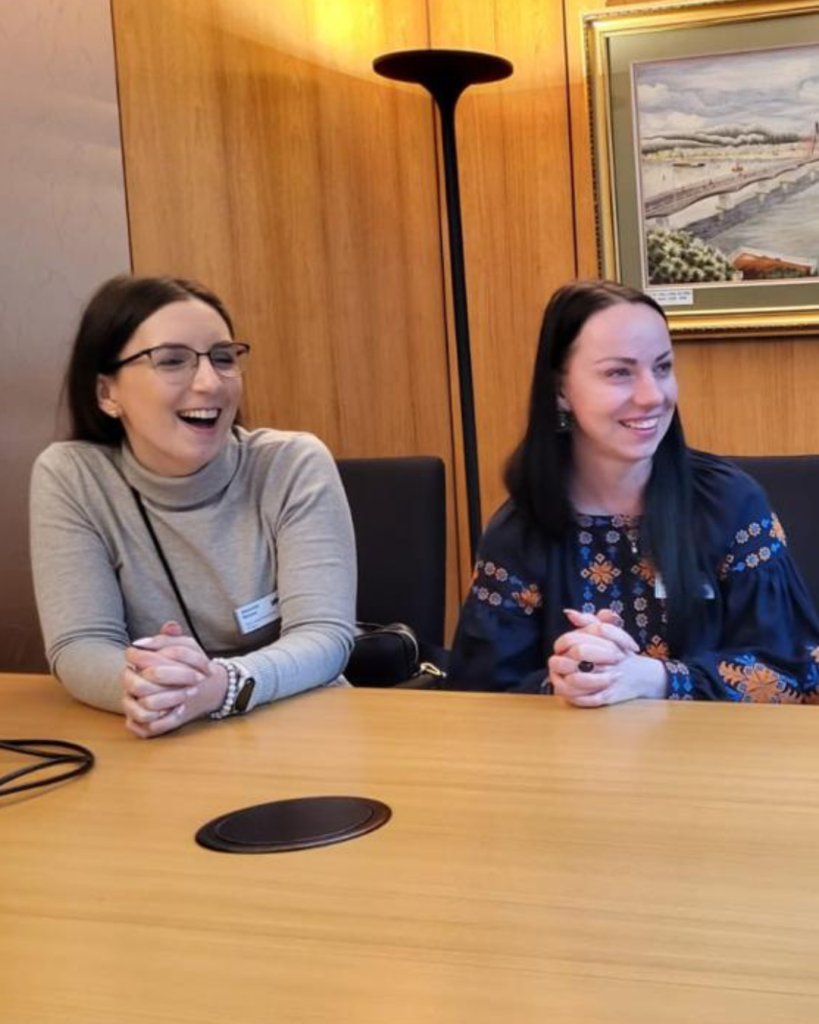
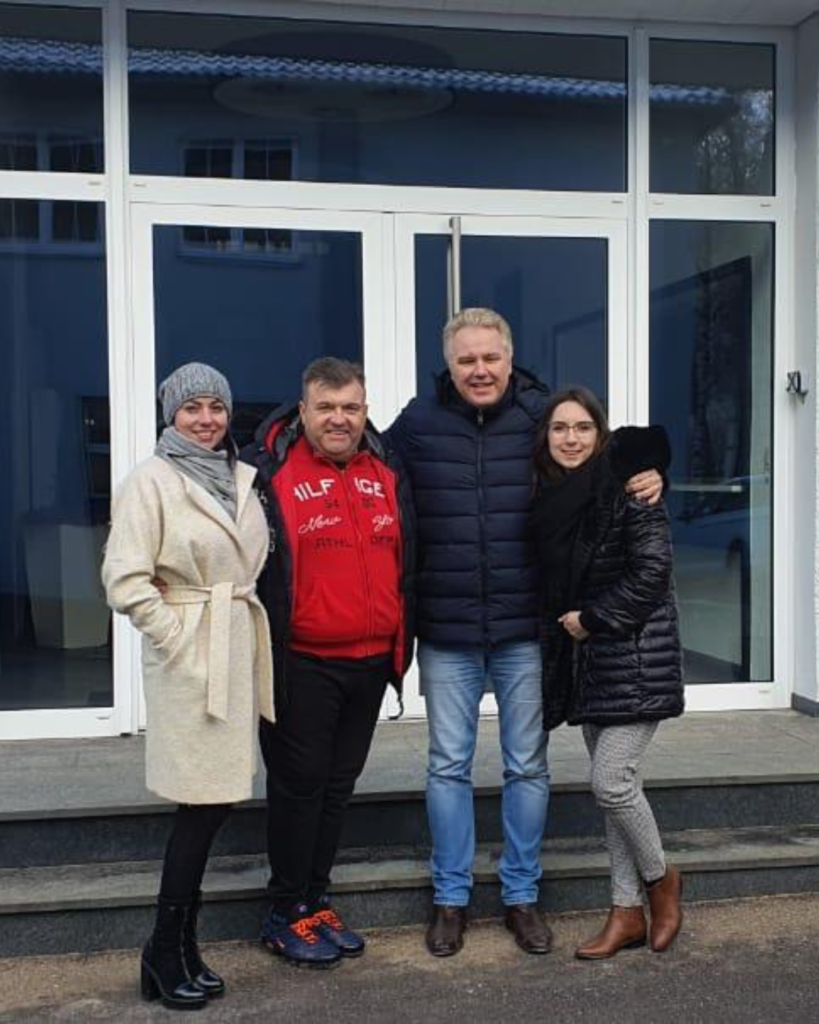
Texco Ukraine Director Kateryna Matsiuk — on sleepless nights, international projects, and people who return from the front for a major launch.
,
.
Coffee or tea?
Coffee, only coffee.
.
What does a quality product mean to you?
A quality product is when a satisfied client becomes your advertisement.
.
A city or place that resets you?
Unfortunately, since the war began, there’s no such place. Only people reset me — a conversation with them helps more than any kind of solitude.
.
What helps you hold up under stress?
Years of learning. I’ve been with the company for eight years now, and I’ve learned to solve half the problems myself — to give an initial consultation on the spot while passing the issue to the service department. The beginning was hard; it’s easier now.
.
When did you last do something for the first time?
Every day. Problems may look similar, but they’re always different from the last one. On a bigger scale — everything was “for the first time” back in 2017, when I joined Texco and was opening the office door in the morning myself, not as a hired employee.
.
What are you most grateful to yourself for right now?
For the sleepless nights since I was 19. At university I slept two hours a night on weekdays for the first three years to bring two foreign languages up to a working level. I always prayed I’d never work at a garment factory — and my very first job at 19 was exactly that. But I’m grateful to myself for being able to make myself do what needs to be done.
.
How did you come to Texco, and what drew you in?
I was headhunted. The company owner noticed me back in 2016, when I was helping with translation during the launch of a major steam-pressing project at the Berdychiv garment factory. He said: “You have a talent for this, you understand the language — have you ever thought about joining our team?” I spent four months thinking it over, but eventually said yes.
.
What moment in your career was a turning point?
Moving to Texco in 2017. At the factory I didn’t want to be just an office employee — I tried to be in every department. There were two options: develop there as a hired worker or independently here. I chose to move forward and not stand still.
.
What kind of leader are you today?
First and foremost, a leader for myself. I never assert my leadership over others, because all people are equal. I don’t ask anyone to do something I wouldn’t do myself — I lead by example and say: “I can do it, which means you can too.”
.
What was the hardest thing to learn as a manager?
I’m still learning to delegate. I can’t reach a zen state — it always seems faster to do it myself. When four people are standing there working on something, I still need to be doing something: walking around, tidying up behind them — being useful, not standing to the side with nothing to do.
.
What is Texco’s core value for furniture manufacturers?
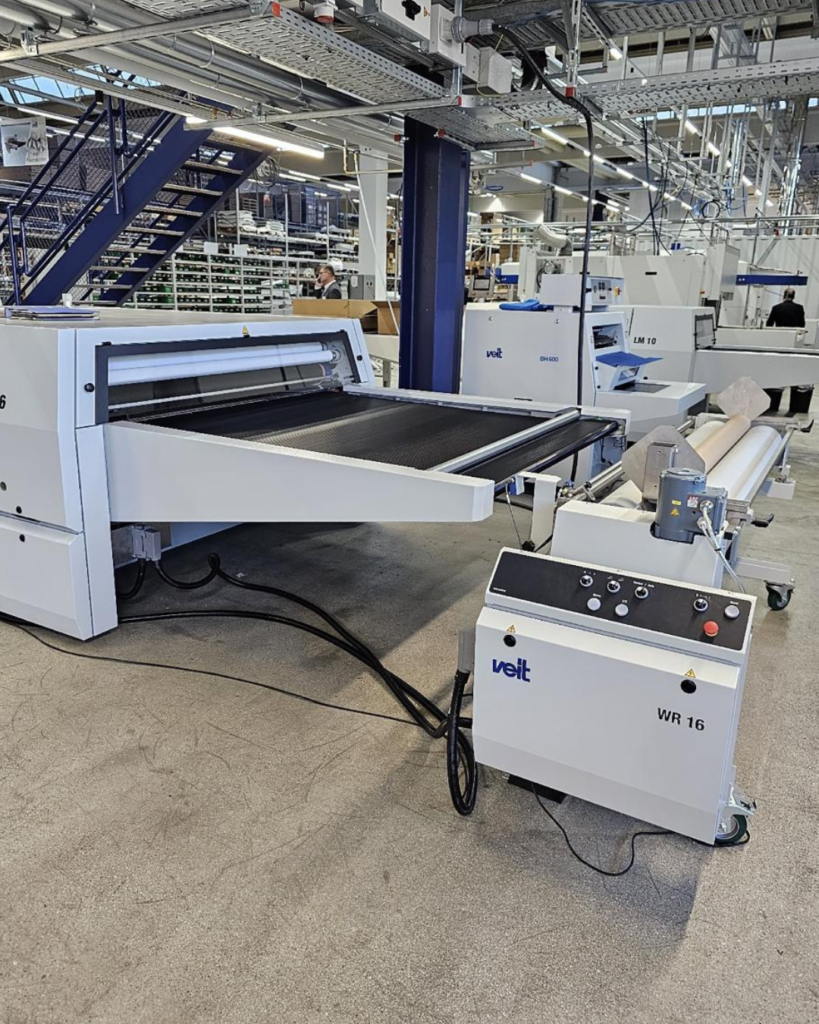
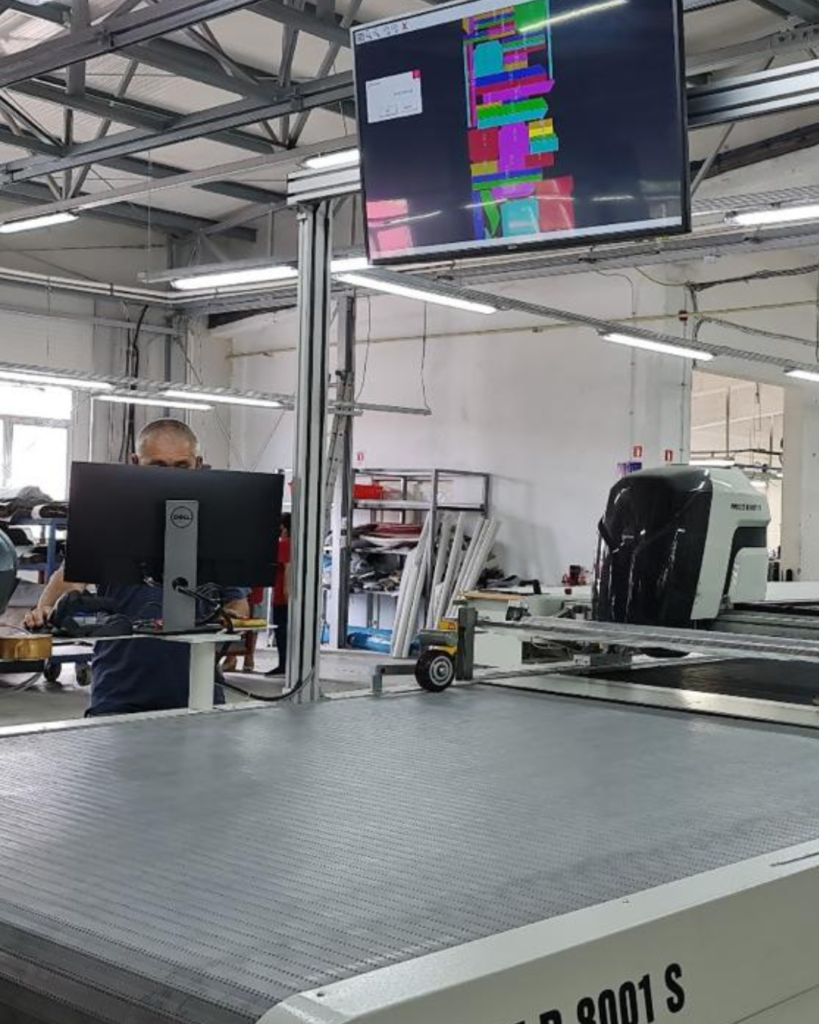
We supply the highest quality product on the market: cutting systems that reduce costs and speed up production, laminating equipment that extends product life. You can use a chair for a year, or for five years. We want Ukraine to understand: only quality is a sales trigger today.
.
What requests do clients come to you with most often? What hurts the most?
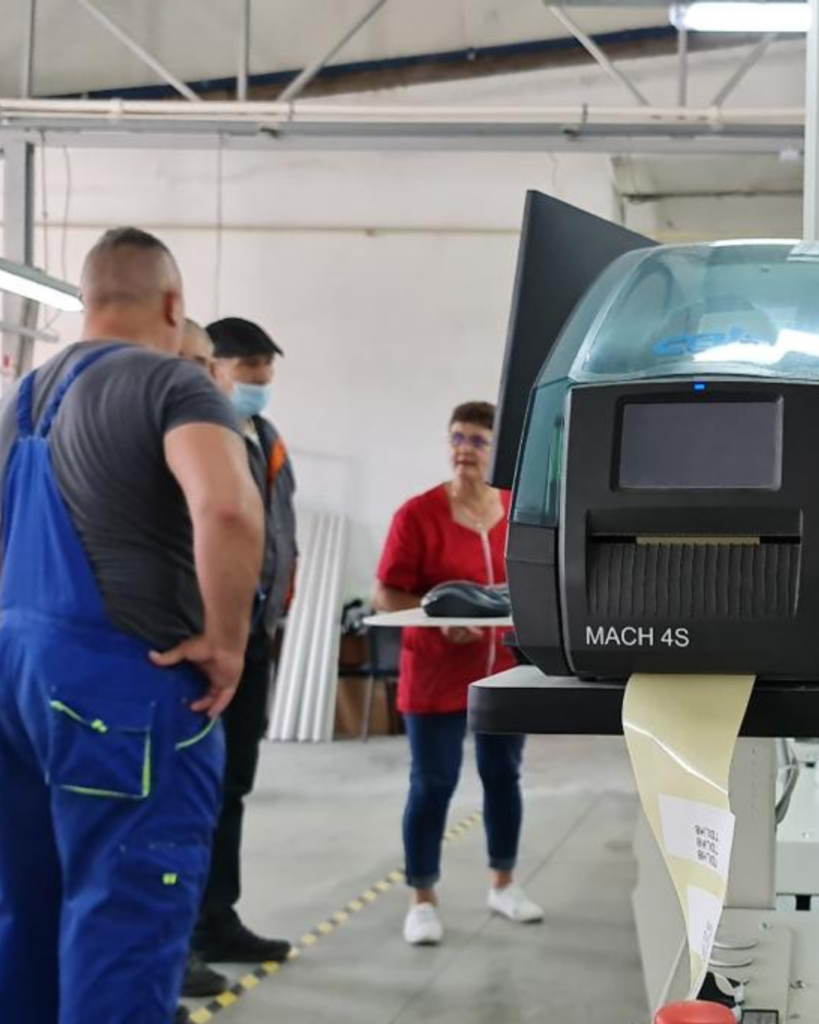
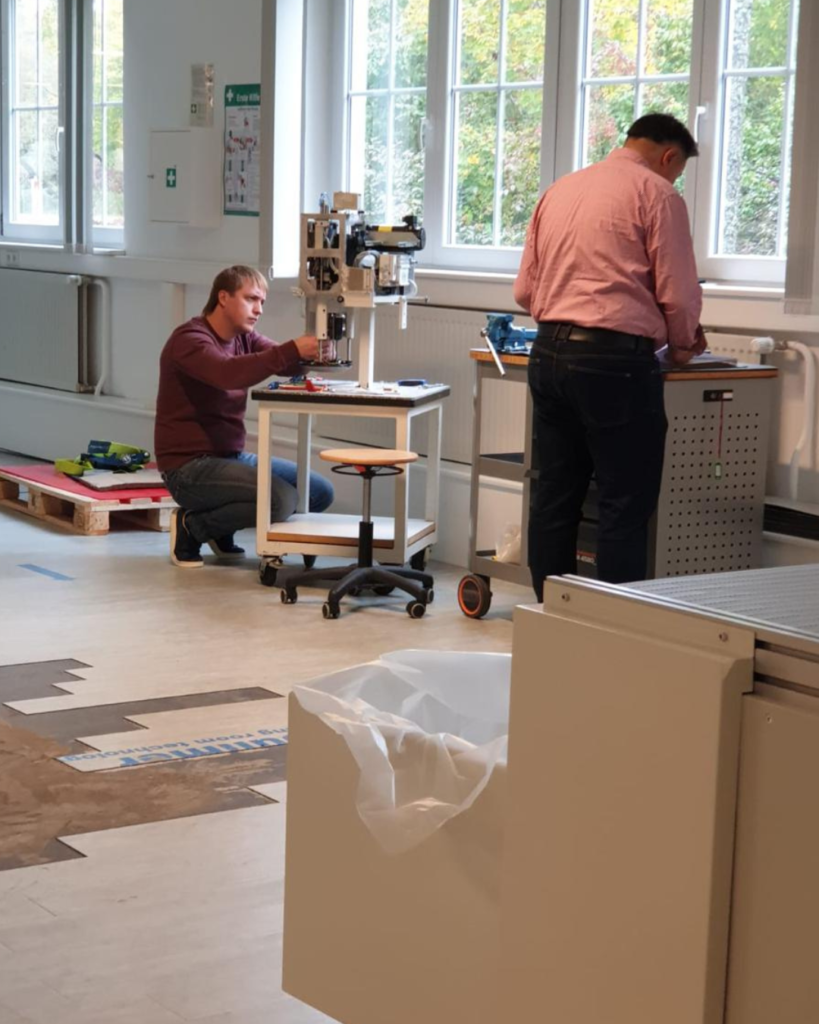
After-sales service is the biggest pain point. Anyone can sell equipment today — there’s the internet, you can find it and buy it. The real question is: who will install it, who will commission it, who will train the staff, and who will later answer even a simple question like “where’s the on button.” We’re actively developing our service: we have two technicians in Ukraine and a full team in Romania, and we spend a minimum of one month per year at technical training abroad.
.
Tell us about a collaboration case you’re proud of.
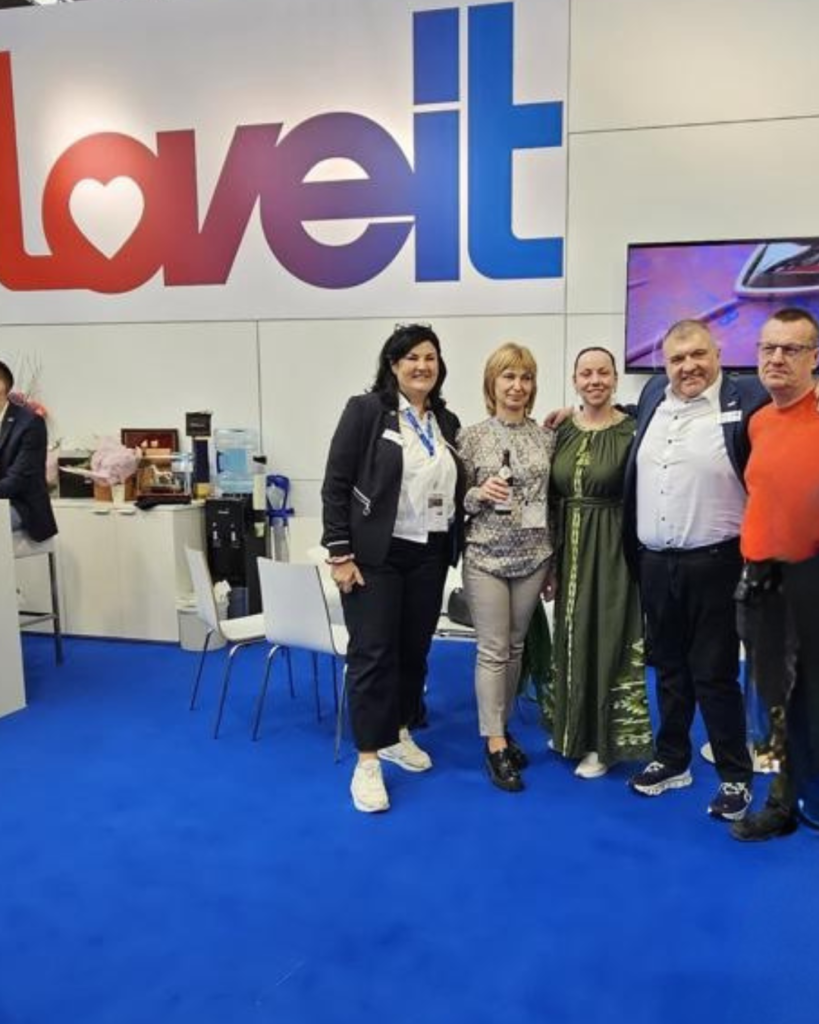
A particularly meaningful project for me was in 2024: despite the war, we managed to complete it for a furniture manufacturer in Hungary. That became a signal for me — if we’re capable of working on the international market even under these conditions, then we need to develop more actively in Ukraine as well.
.
On your competitive advantage — why should someone come to Texco specifically?
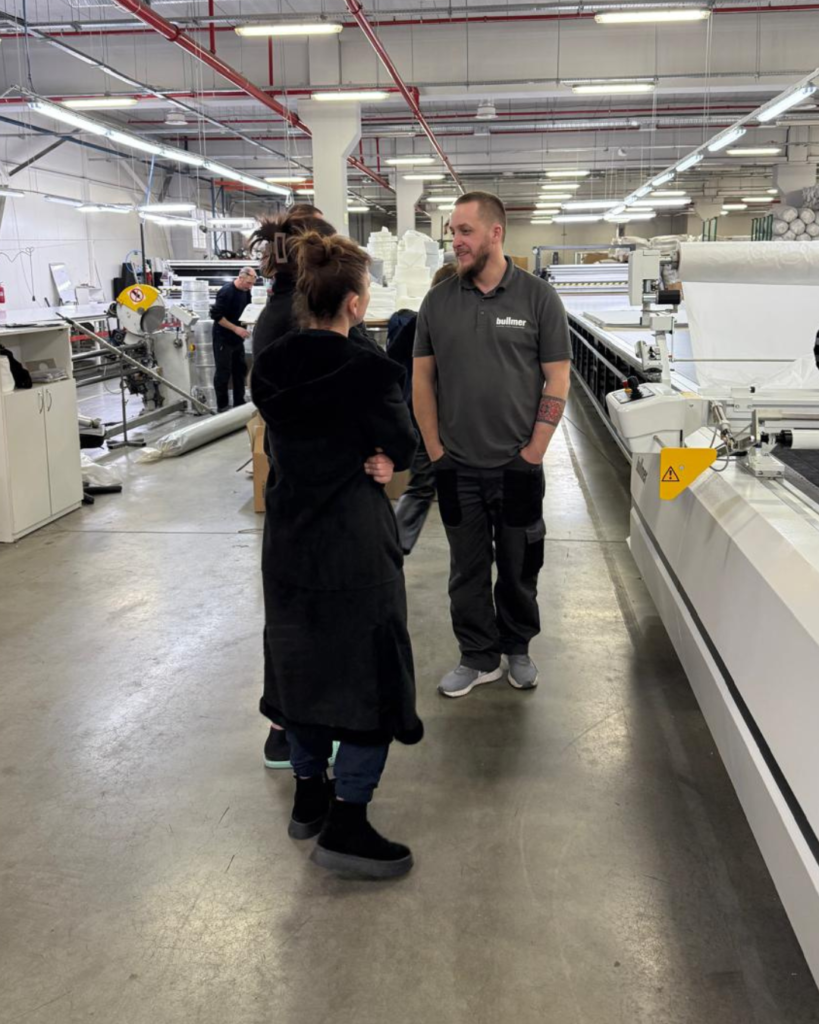
We’re not just a machinery supplier — we always come to the production facility, look at the process with our own eyes, and propose specific solutions. We have experience with grants: since 2023 we’ve implemented quite a few in Ukraine, and in 2024 we also completed a grant project in Romania connected to a NATO initiative. And we can provide minute-by-minute productivity reports — so the client can see a clear calculation for themselves, rather than simply taking our word for it.
.
How do you build a team that holds up under pressure?
There are no one-dimensional people on our team — everyone knows the entire product from A to Z. Yes, there are areas of focus: one person works more with cutting systems, another with laminating — but when the phone rings, you can’t say “that’s not my area.” I listen to what each person enjoys and develop people in the direction where they feel it in their heart.
.
How do you motivate people in difficult periods?
I talk to each person every day — how are you doing, what’s on your mind, what matters to you right now. At the start of the war, a young man who had been with me almost from the beginning went to fight — and all this time he’s still helping us, takes leave and comes back for major projects. But the clients themselves are the biggest motivators: when we arrive at a production site and hear “thank you, you really helped” — that’s what true motivation looks like.
.
What does success mean to you today?
Success is when a new client calls and says: “I’ve heard about you, very good reviews. Can we meet?” Last month Ruslan from Kamianets-Podilskyi called — a ten-person business — and said another manufacturer had told him about us. That’s success. Not the size of the office or the number of company cars.
.
What would you tell yourself ten years ago?
Keep doing what you’re doing — you’re on the right track, and everything will be fine. Now I understand I could have done more back then, but I was at a stage of development where I wasn’t opening up as broadly. If I had known what I was capable of, I would have shown up stronger.
